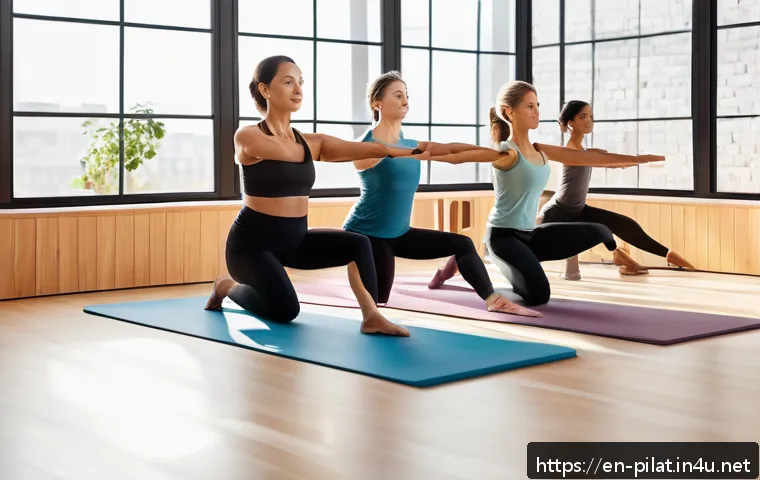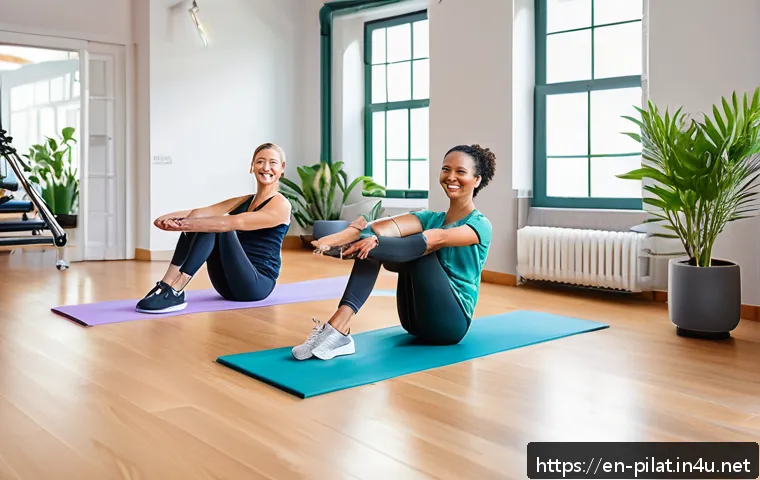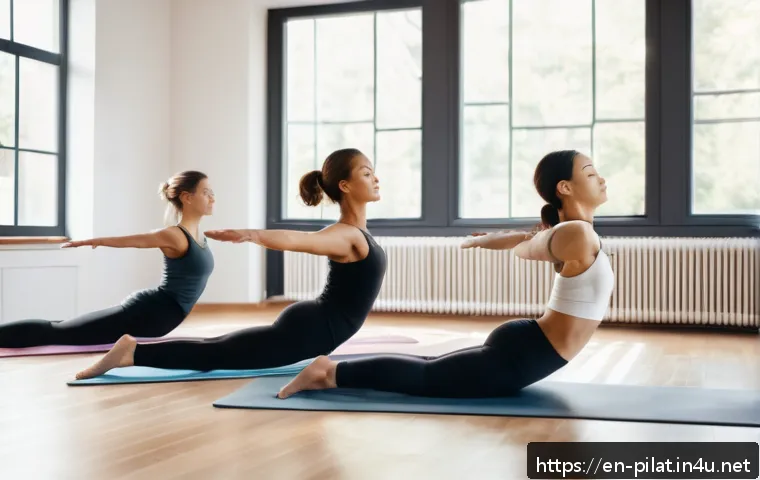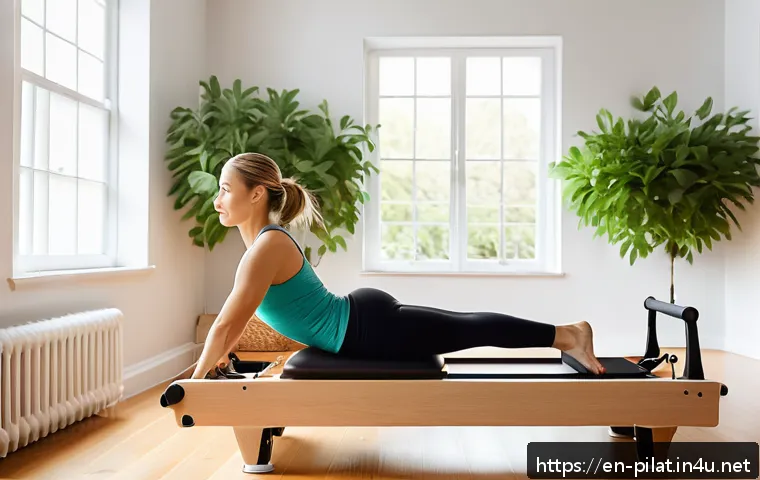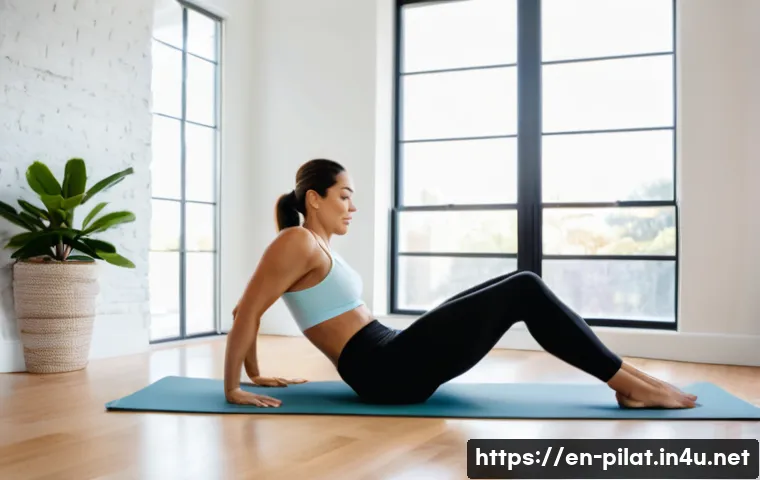
Understanding the role of a Pilates instructor goes beyond just guiding through exercises; it’s about fostering body awareness, improving posture, and enhancing overall flexibility.
Stretching techniques, when done correctly, complement Pilates by preventing injuries and boosting performance. Whether you’re a beginner or an experienced athlete, mastering these skills can transform your fitness routine.
I’ve personally noticed how a few simple adjustments in stretching can make a huge difference in how my body feels throughout the day. Let’s dive into the details and uncover the best practices to elevate your Pilates and stretching experience!
Building a Strong Foundation with Mindful Movement
Connecting Breath and Motion
One of the most underrated aspects of effective Pilates practice is the synchronization of breath with movement. When I first started, I realized how much my breath pattern affected the quality of each exercise.
Instead of rushing through reps, focusing on deep, controlled breathing helped me engage my core more effectively and maintain stability. This mind-body connection is crucial because it not only enhances muscle activation but also reduces tension and fatigue during workouts.
I encourage anyone practicing Pilates to pause and feel their breath, letting it guide the rhythm of their movements for a smoother and safer experience.
Postural Awareness Beyond the Mat
Pilates isn’t just about the session itself; it’s about cultivating awareness that carries into everyday life. After working with several instructors, I noticed how subtle changes in my posture—like aligning my shoulders or engaging my glutes—transformed how I sat, stood, and moved outside the studio.
This awareness can prevent chronic pain and improve overall body mechanics. For instance, when you learn to stabilize your pelvis during Pilates, it translates to better balance and less strain when walking or lifting objects.
Small postural tweaks, practiced consistently, can make a world of difference over time.
Progressive Muscle Engagement Techniques
Rather than jumping into complex moves, mastering the art of gradually engaging the right muscle groups can be a game changer. I found that isolating muscles like the transverse abdominis before adding dynamic movement helped me avoid common mistakes and injuries.
This approach encourages control and precision, which are the hallmarks of Pilates. By focusing on slow, deliberate contractions, you build strength in deeper muscles that support your spine and joints, making your movements more efficient and less prone to injury.
It’s like building a solid house—you start with a sturdy foundation before adding the roof.
Optimizing Flexibility Through Targeted Stretching
Dynamic vs. Static Stretching: When and How
There’s often confusion about when to use dynamic stretching versus static stretching, and I’ve been there myself. From experience, dynamic stretches are excellent as a warm-up to increase blood flow and prepare muscles for movement.
Think leg swings or arm circles before a Pilates session. On the other hand, static stretching is best saved for cooldowns to improve flexibility and reduce muscle tightness post-exercise.
Overdoing static stretches before a workout can actually reduce power and increase injury risk. Timing your stretches properly not only boosts performance but also accelerates recovery.
Incorporating Myofascial Release for Enhanced Mobility
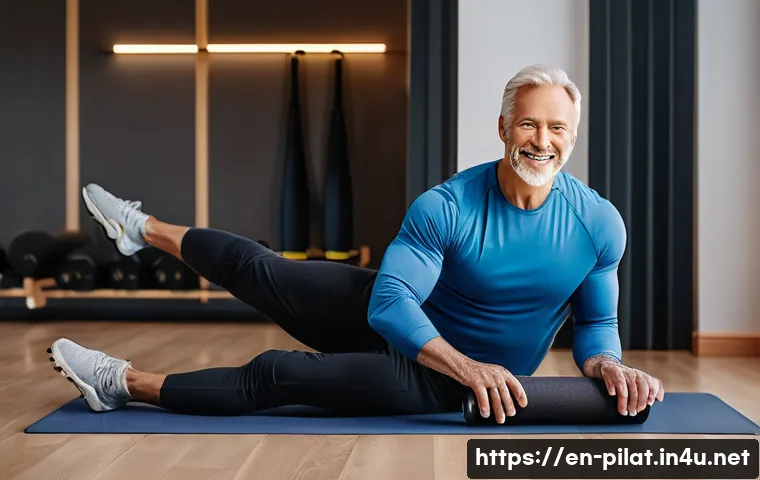
Adding tools like foam rollers or massage balls into your routine can drastically improve your range of motion. I started using a foam roller after Pilates classes and noticed less muscle soreness and better flexibility within weeks.
This technique targets fascia, the connective tissue surrounding muscles, which often gets tight and restricts movement. Regular myofascial release helps break down adhesions and promotes blood circulation, leading to quicker recovery and deeper stretches.
It’s a simple addition that can elevate your practice without requiring extra time or complicated equipment.
Common Stretching Mistakes to Avoid
Many people stretch incorrectly, which can lead to discomfort or injury. One mistake I frequently see is bouncing during static stretches, which creates micro-tears in muscle fibers instead of relaxing them.
Another is holding stretches for too short a time; muscles need at least 30 seconds to properly lengthen. Also, neglecting to warm up before deep stretching can cause strain.
Learning these nuances took me a while, but once I adjusted my routine, I felt more flexibility gains and less tightness. Being mindful of these common pitfalls ensures your stretching is both safe and effective.
Enhancing Core Stability with Functional Pilates Moves
Engaging the Deep Core Muscles
The deep core muscles, including the pelvic floor and transverse abdominis, often get overlooked but are vital for stability. Early on, I struggled to activate these muscles correctly, which made many exercises less effective.
Through guided cues and consistent practice, I learned to “draw in” my lower abdomen gently without holding my breath or tensing the neck. This subtle activation supports the spine and improves balance during Pilates routines and daily activities alike.
Developing this awareness takes patience but pays off with a stronger, more resilient core.
Integrating Balance and Coordination Drills
Adding balance challenges to Pilates exercises not only improves core strength but also enhances neuromuscular coordination. For example, practicing single-leg stands or unstable surface work sharpened my proprioception—the body’s sense of position in space.
These drills force you to engage multiple muscle groups simultaneously, increasing overall functional fitness. I noticed that after incorporating balance work, my posture felt more stable and my movements more fluid, both on and off the mat.
It’s a fun way to keep Pilates dynamic and effective.
Customizing Workouts for Individual Needs
No two bodies are the same, and recognizing this is key to progressing safely. After years of teaching and practicing, I realized that tailoring Pilates routines based on individual strengths, weaknesses, and goals yields the best results.
Some might need more focus on hip mobility, while others require spinal flexibility or upper body strength. Listening to your body and adjusting exercises—whether modifying intensity or range of motion—prevents frustration and injury.
Personalized attention transforms Pilates from a generic workout into a truly empowering experience.
Understanding Injury Prevention Through Movement Quality
Identifying and Correcting Movement Imbalances
Muscle imbalances are silent culprits behind many injuries. Early in my Pilates journey, I noticed that one side of my body felt tighter and weaker. Through detailed assessments and mindful practice, I learned to target those weak spots, improving symmetry and reducing strain.
Pilates exercises that emphasize controlled, balanced movement help correct these imbalances. For example, unilateral leg or arm work forces equal participation from both sides, preventing dominance that can lead to overuse injuries.
Awareness and correction are essential to long-term joint health.
Safe Stretching Practices for Vulnerable Areas
Certain body parts, like the lower back and neck, are more prone to injury if stretched improperly. I remember feeling discomfort when I tried aggressive spinal twists or neck stretches without proper alignment.
Learning to support these vulnerable areas with correct posture and gentle progression is vital. Using props such as cushions or blocks during stretches can provide extra stability.
Avoiding overstretching and listening to your body’s signals are crucial to prevent setbacks. Safe stretching not only protects your body but also builds confidence in your practice.
Recognizing Signs of Overtraining
Sometimes, enthusiasm can lead to pushing too hard. I’ve experienced days when soreness turned into persistent pain, signaling that my body needed rest.
Recognizing signs like prolonged fatigue, reduced performance, or joint discomfort helps prevent burnout and injury. Incorporating rest days and varying intensity ensures your muscles recover and grow stronger.
Pilates and stretching should feel rejuvenating, not punishing. Honoring your body’s limits is one of the best ways to stay consistent and injury-free.
Leveraging Equipment to Maximize Effectiveness
Choosing the Right Pilates Props
From resistance bands to magic circles and stability balls, Pilates equipment can enhance your workout by adding resistance or support. When I first used a magic circle, I was surprised how it challenged my inner thigh muscles and improved engagement.
Each tool targets different muscle groups and can help break plateaus by introducing new stimuli. However, it’s important not to rely too heavily on props but to use them to complement foundational movements.
Selecting the right equipment for your goals can make practice more enjoyable and effective.
Incorporating Stretching Aids for Deeper Flexibility
Stretching straps, yoga blocks, and foam rollers are fantastic allies in extending your flexibility safely. I found that using a strap during hamstring stretches allowed me to maintain proper form without strain, gradually increasing my range.
These aids help maintain alignment and reduce the risk of compensations that can lead to injury. They’re especially useful for beginners or those with limited mobility, providing support as flexibility improves.
Including these tools in your routine adds variety and can speed up progress.
Maintenance and Hygiene of Pilates Equipment
Keeping your Pilates gear clean and well-maintained is often overlooked but critical for longevity and safety. After a few months of regular use, I noticed my foam roller accumulating dust and sweat residue, which made it less pleasant to use.
Wiping down equipment after each session and storing it properly prevents deterioration and bacterial buildup. Also, inspecting props for wear and tear ensures they remain safe and effective.
Good equipment hygiene reflects professionalism and respect for your practice environment.
Tracking Progress and Staying Motivated
Setting Realistic and Measurable Goals
One of the most effective ways to stay motivated is to set clear, achievable goals. Early in my Pilates journey, I set a goal to improve my spinal mobility and core strength within three months.
Tracking improvements through simple tests, like how far I could reach or hold a plank, kept me accountable and focused. Breaking larger goals into smaller milestones creates a sense of accomplishment and keeps enthusiasm high.
It’s important to celebrate progress, no matter how small, to maintain momentum and confidence.
Journaling and Self-Reflection
Keeping a practice journal helped me identify patterns in my performance and mood. Writing down which exercises felt good, which caused discomfort, and how my energy fluctuated gave valuable insights for adjustments.
This habit fosters a deeper connection to your body and practice, encouraging mindful improvements. Reflection also helps identify stressors or lifestyle factors impacting your Pilates sessions.
It’s a simple yet powerful tool to enhance consistency and enjoyment.
Community Support and Accountability
Joining a Pilates class or online community can significantly boost motivation. Sharing experiences, challenges, and successes with like-minded individuals creates a supportive environment.
I found that having an instructor or peer check in on my progress pushed me to stay consistent even when motivation waned. Group settings also introduce new perspectives and techniques, enriching your practice.
Building connections around your fitness journey adds a social element that makes Pilates more fun and sustainable.
| Aspect | Benefits | Common Mistakes | Tips for Improvement |
|---|---|---|---|
| Breath Control | Enhances muscle engagement, reduces tension | Shallow or rushed breathing | Practice deep, rhythmic breathing with movements |
| Posture Awareness | Prevents pain, improves alignment | Ignoring body positioning outside practice | Regularly check posture during daily activities |
| Stretching Timing | Improves flexibility, prevents injuries | Static stretching before workouts | Use dynamic stretches for warm-up, static for cooldown |
| Core Activation | Builds stability, supports spine | Over-tensing or improper engagement | Learn to activate deep core muscles gently |
| Equipment Use | Adds resistance, aids mobility | Overreliance or poor maintenance | Use props to complement, keep gear clean |
In Conclusion
Building a mindful Pilates practice creates a strong foundation for lasting health and well-being. By focusing on breath, posture, and gradual muscle engagement, you can enhance your movement quality and prevent injury. Remember, consistency and awareness both on and off the mat are key to making real progress. Embrace the process with patience, and enjoy the journey toward a stronger, more flexible body.
Useful Tips to Remember
1. Prioritize deep, controlled breathing to maximize muscle activation and reduce tension during exercises.
2. Carry postural awareness into daily activities to improve alignment and prevent chronic pain.
3. Use dynamic stretches to warm up and static stretches to cool down for better flexibility and injury prevention.
4. Incorporate balance and coordination drills to enhance overall functional fitness and stability.
5. Maintain your Pilates equipment regularly to ensure safety and prolong its effectiveness.
Key Takeaways
Understanding the connection between breath and movement is essential for effective Pilates practice. Developing postural awareness beyond exercise sessions supports overall body mechanics and reduces strain. Gradual muscle engagement and proper stretching techniques help build strength and flexibility safely. Customizing workouts to your unique needs prevents injury and boosts motivation. Lastly, integrating equipment thoughtfully and tracking your progress fosters a sustainable, enjoyable fitness journey.
Frequently Asked Questions (FAQ) 📖
Q: How does a Pilates instructor help improve my posture and body awareness?
A: A Pilates instructor guides you through precise movements that target your core and align your body properly. By focusing on controlled breathing and mindful motion, they help you develop a deeper connection with your muscles, which naturally enhances your posture.
From my own experience, having an instructor correct subtle misalignments made a noticeable difference in how I carry myself daily—less slouching and more confidence.
Q: What are the key benefits of combining Pilates with proper stretching techniques?
A: Stretching complements Pilates by increasing muscle flexibility and reducing the risk of injury. When done correctly, stretching loosens tight muscles that Pilates strengthens, creating a balanced body.
Personally, incorporating targeted stretches after Pilates sessions helped me recover faster and improved my overall range of motion, making each workout feel more effective and enjoyable.
Q: Can beginners safely practice Pilates and stretching without prior experience?
A: Absolutely! Pilates is designed to be accessible for all fitness levels, and stretching is a fundamental practice that anyone can start with. A qualified Pilates instructor will tailor exercises to your ability, ensuring you build strength and flexibility gradually and safely.
When I first started, I was surprised how welcoming and adaptable the sessions were, which made sticking to the routine much easier and more rewarding.