In today’s fast-paced wellness world, keeping Pilates classes fresh and motivating is more important than ever. With so many options available, instructors face the challenge of designing sessions that truly engage every student, from beginners to seasoned practitioners.
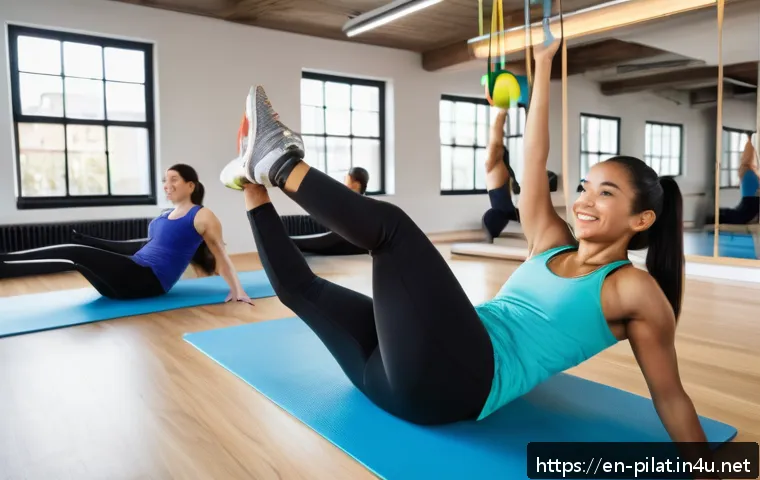
Whether you’re aiming to deepen connection or boost energy, mastering class design can transform the experience for everyone involved. I’ve found that thoughtful sequencing and personalized cues not only inspire students but also foster lasting commitment.
Let’s explore practical strategies that can elevate your Pilates teaching and create an inviting space where every student feels empowered to grow.
Crafting Dynamic Warm-Ups That Set the Tone
Engaging the Mind Before the Body
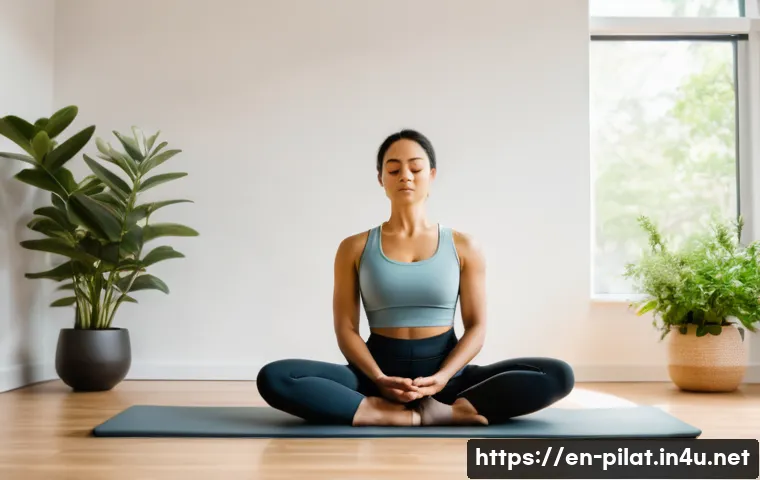
Warming up isn’t just about preparing muscles; it’s about tuning the mind to the Pilates practice ahead. Starting with gentle breathing exercises or mindfulness moments helps students arrive fully present.
I’ve noticed that when I invite students to focus on their breath or center themselves mentally, the whole class feels more connected and ready. This approach reduces distractions and primes the nervous system for movement, which is especially helpful for beginners who might be nervous or unsure.
Incorporating brief visualization techniques, like imagining the spine lengthening or energy flowing, can deepen this mental engagement and create a calm, focused atmosphere.
Progressive Movement to Avoid Overwhelm
Transitioning from stillness into movement should be smooth and intentional. I like to start with simple joint mobilizations, like neck rolls or shoulder circles, easing students into the physical demands without shock.
This gradual ramp-up respects individual limits and encourages students to listen to their bodies. When I skip this step or jump straight into challenging exercises, I often see hesitation or tension creeping in.
Layering complexity slowly not only builds physical readiness but also boosts confidence, making the class feel achievable and welcoming for all levels.
Incorporating Fun and Variety Early On
Warm-ups can easily become repetitive and dull, so I sprinkle in creative elements like rhythm-based moves or light partner stretches. This helps break monotony and sparks enthusiasm right at the start.
For example, adding a playful element like tapping feet to a beat or gentle balance challenges can make the warm-up feel less like a chore and more like a lively invitation to move.
It’s these small touches that often get students smiling and eager, setting a positive tone that carries through the session.
Sequencing for Flow and Focus Throughout the Session
Balancing Strength, Flexibility, and Stability
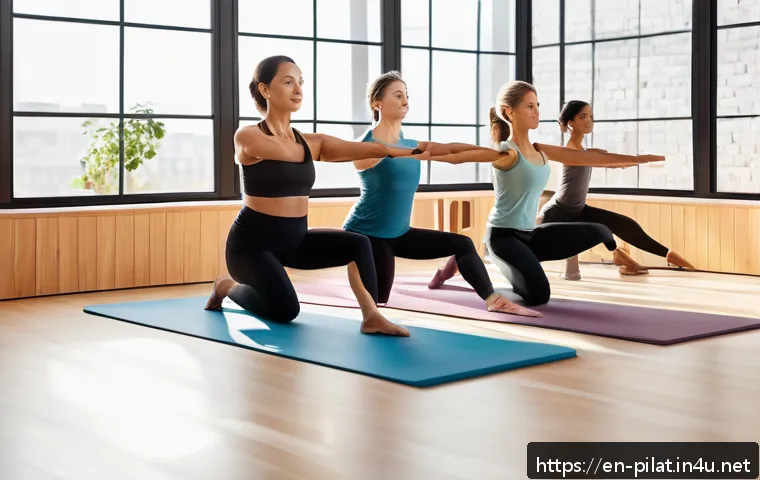
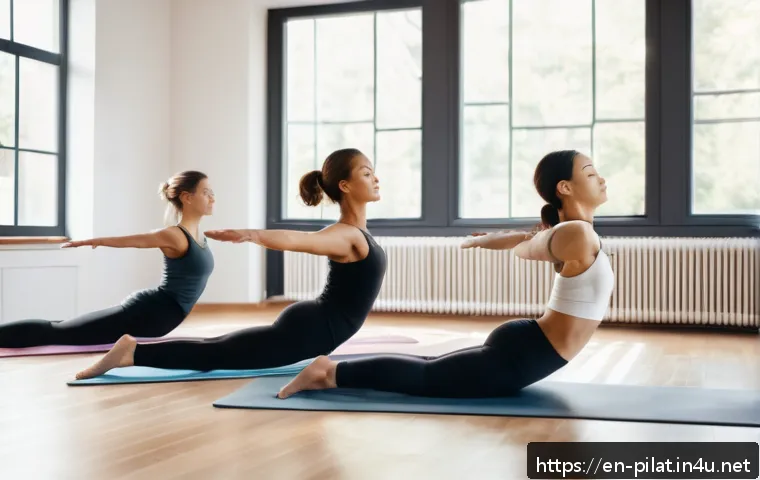
A well-rounded Pilates class weaves strength, flexibility, and stability exercises in a way that feels seamless and natural. I always aim to alternate between muscle groups and movement types, so students don’t fatigue too quickly or lose interest.
For example, after a challenging core strengthening move, I follow up with a stretch or mobility exercise targeting a different area. This ebb and flow keeps energy levels steady and prevents burnout.
From my experience, mixing these elements thoughtfully helps maintain student engagement and supports balanced physical development.
Building Intensity with Purpose
I find it crucial to gradually increase intensity, allowing the body to adapt and the mind to stay motivated. Starting with foundational exercises and moving toward more complex or demanding movements creates a sense of progression and achievement.
When I notice students struggling, I often cue modifications or slower tempos to keep everyone included. This adaptive pacing honors individual differences and sustains a positive class environment.
Watching students rise to new challenges by the end of class is incredibly rewarding and reinforces their commitment.
Closing with Mindful Cool-Downs
Ending the session with deliberate cool-downs helps students process their work and transition back to daily life. I incorporate stretching, deep breathing, and sometimes gentle guided relaxation.
This not only aids physical recovery but also leaves students feeling calm and satisfied. I’ve observed that a mindful cool-down reduces post-class stiffness and encourages a habit of self-care outside the studio.
It’s a moment to celebrate progress and reinforce the connection between body and mind, making the entire experience feel holistic and complete.
Personalized Cueing to Enhance Learning and Connection
Listening and Responding to Individual Needs
Every student brings unique strengths, limitations, and learning styles to class. I make it a point to observe closely and tailor my cues accordingly.
For instance, some respond better to visual cues, while others benefit from tactile guidance or verbal explanations. When I adjust my approach based on these preferences, I see noticeable improvements in their form and confidence.
This personalized attention fosters trust and makes students feel seen and supported, which is key to long-term engagement.
Using Positive, Encouraging Language
The words we choose as instructors have a powerful impact on motivation and mindset. I focus on positive reinforcement and constructive feedback, highlighting progress rather than mistakes.
Saying things like “Great control here” or “Feel the stretch lengthening your spine” encourages students to stay present and motivated. Over time, this language builds a safe, uplifting environment where students are more willing to challenge themselves and embrace the learning process.
Incorporating Student Feedback Regularly
I always invite students to share how they feel during and after exercises, either verbally or through quick check-ins. This two-way communication helps me fine-tune the class flow and address any discomfort or confusion immediately.
It also empowers students to take ownership of their practice. When they realize their input shapes the session, I notice a deeper sense of community and commitment forming within the group.
Utilizing Props and Equipment Creatively
Enhancing Movement Variety and Challenge
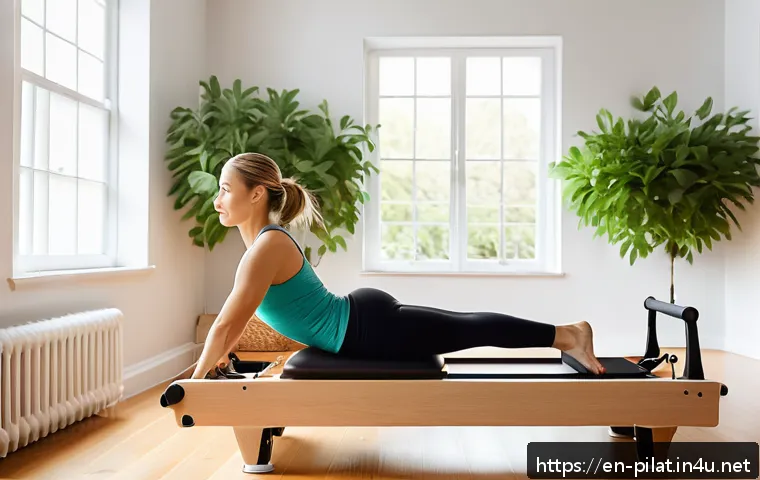
Incorporating props like resistance bands, Pilates rings, or small balls adds new dimensions to familiar exercises. I’ve found that props can either increase the challenge or provide support, depending on how they’re used.
For example, using a band for leg work intensifies muscle engagement, while a small ball placed between the knees encourages proper alignment. Introducing these tools keeps classes interesting and helps students explore their bodies in novel ways.
Adapting for Different Skill Levels
Props also offer a fantastic way to customize exercises for beginners or advanced students. I often suggest modifications using props to reduce strain or increase difficulty without losing the essence of the movement.
This flexibility makes the class accessible and satisfying for everyone. I’ve had beginners feel more confident with a supportive prop, while seasoned practitioners enjoy pushing boundaries with added resistance.
Encouraging Home Practice with Simple Props
I like to recommend easy-to-find props for students to use at home, like tennis balls or cushions. This encourages consistent practice outside class and reinforces learning.
Sharing simple prop-based exercises creates a bridge between studio time and daily life, deepening the habit of mindful movement and self-care.
Creating a Welcoming Atmosphere That Inspires Growth
Fostering Inclusivity and Respect
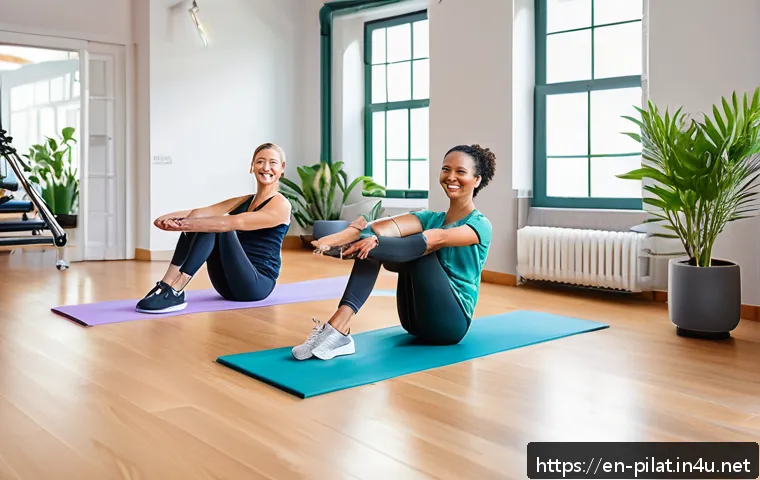
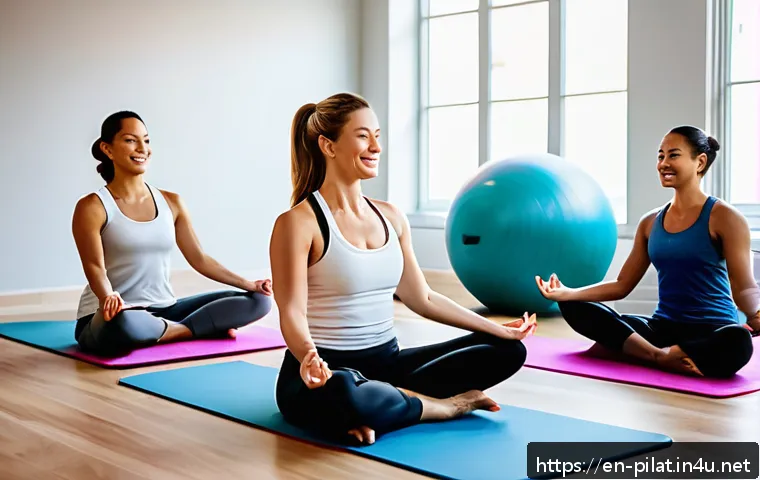
Making every student feel welcome and respected is foundational to a thriving Pilates community. I make it a point to greet newcomers warmly and create opportunities for everyone to connect, whether through partner work or group discussions.
This inclusive atmosphere encourages openness and reduces anxiety, which can be a barrier for new or shy participants. When people feel accepted, they’re more likely to return and engage deeply.
Setting Clear Intentions for Each Class
Starting class by sharing the day’s focus or intention helps students mentally prepare and find personal meaning in the practice. I’ve seen how setting clear goals, like improving posture or increasing core strength, gives students something to work toward beyond just completing exercises.
This intentionality creates a purposeful environment and nurtures a growth mindset.
Celebrating Progress and Milestones
Recognizing individual and group progress is a powerful motivator. I regularly highlight improvements I observe and encourage students to acknowledge their own achievements.
This celebration can be as simple as verbal praise or occasionally dedicating time for reflection at class end. It builds a positive feedback loop that inspires continued effort and loyalty.
Tracking Progress to Maintain Motivation and Accountability
Simple Tools for Monitoring Improvement
Using straightforward methods like progress charts or personal journals helps students visualize their growth over time. I sometimes provide printable sheets for tracking reps, flexibility gains, or endurance milestones.
When students see tangible evidence of their progress, motivation spikes, and they’re more likely to stay committed. I personally use this approach and find it keeps my practice fresh and goal-oriented.
Incorporating Regular Assessments
Scheduling periodic check-ins or mini-assessments within the class structure allows both instructor and student to evaluate technique and progress. These moments offer opportunities to adjust goals and celebrate successes.
I’ve found that framing assessments positively reduces anxiety and fosters a collaborative spirit in the studio.
Encouraging Self-Reflection and Goal Setting
I prompt students to reflect on how they feel physically and mentally after sessions and set small, achievable goals for the future. This practice empowers them to take control of their wellness journey and deepens their commitment.
Sharing these reflections during class discussions or private conversations strengthens the instructor-student relationship and personalizes the experience.
| Aspect | Purpose | Example | Benefit |
|---|---|---|---|
| Dynamic Warm-Ups | Prepare mind and body | Breathing exercises, joint mobilization | Enhanced focus, reduced injury risk |
| Thoughtful Sequencing | Maintain energy and engagement | Alternating strength and flexibility exercises | Balanced development, sustained motivation |
| Personalized Cueing | Address individual needs | Visual, verbal, tactile cues | Improved technique, stronger connection |
| Creative Prop Use | Increase variety and adaptability | Resistance bands, Pilates rings | Challenge customization, home practice support |
| Welcoming Atmosphere | Foster community and growth | Inclusive greetings, setting intentions | Greater retention, positive mindset |
| Progress Tracking | Motivate and hold accountable | Journals, assessments, goal setting | Clear progress visualization, sustained effort |
Integrating Technology to Enhance Engagement
Using Apps for Real-Time Feedback
Technology can be a game changer in Pilates instruction. I’ve experimented with apps that provide immediate feedback on posture and alignment during exercises.
This allows students to self-correct and deepen their understanding outside of class. The visual cues and data tracking help demystify complex movements and make progress more measurable.
Plus, it adds a modern, interactive element that many students appreciate.
Virtual Classes and Hybrid Models
Offering virtual or hybrid classes has expanded accessibility and keeps engagement high, especially for those with busy schedules. I’ve found that combining live instruction with pre-recorded content allows students to practice on their own time while still feeling connected.
Maintaining a sense of community through online forums or live Q&A sessions has proven essential in keeping motivation strong remotely.
Incorporating Music and Multimedia
Music and visual aids can dramatically change the class vibe. I use playlists tailored to the energy level of each segment—softer tunes for warm-ups and cool-downs, upbeat rhythms for core work.
Integrating multimedia presentations for anatomy insights or technique demos also enriches the learning experience. These elements cater to different learning preferences and keep the atmosphere lively and engaging.
In Conclusion
Crafting a Pilates class that truly resonates involves more than just exercises—it requires thoughtful preparation, mindful sequencing, and a welcoming environment. When instructors engage both mind and body, personalize their guidance, and embrace creativity, the experience becomes transformative. Integrating progress tracking and technology further supports lasting motivation and growth. Ultimately, a well-rounded approach invites students to connect deeply and enjoy their journey.
Helpful Tips to Remember
1. Begin each session with mental focus techniques like breathing or visualization to enhance concentration and readiness.
2. Progress warm-ups gradually to build confidence and prevent overwhelm, catering to all skill levels.
3. Use props creatively to introduce variety and modify exercises, making classes accessible and challenging.
4. Foster a positive, inclusive atmosphere by setting clear intentions and celebrating every achievement.
5. Encourage tracking progress through simple tools and regular check-ins to maintain motivation and accountability.
Key Takeaways for Effective Pilates Instruction
Establish a strong foundation by preparing both mind and body with dynamic warm-ups. Sequence exercises thoughtfully to balance strength, flexibility, and stability, ensuring steady engagement. Personalize cues to meet individual needs and use props to diversify movement options. Cultivate a supportive class culture that inspires growth, and leverage technology to enhance feedback and accessibility. Consistent progress tracking and open communication are essential for sustaining motivation and deepening the student-instructor connection.
Frequently Asked Questions (FAQ) 📖
Q: How can I keep Pilates classes engaging for students with different skill levels?
A: Balancing a class with mixed skill levels can be tricky, but it’s all about offering modifications and progressions. I’ve noticed that breaking down exercises into beginner-friendly steps while providing challenges for advanced students keeps everyone involved.
Using clear, personalized cues helps each person feel seen and supported, which really boosts motivation. Also, rotating partner work or small group activities adds variety and encourages peer learning, making the class more dynamic for all.
Q: What are some effective ways to design a Pilates class that maintains student motivation over time?
A: Consistency with a twist is key. I like to structure classes around a solid foundation—like core work and posture—while mixing in fresh sequences or new props every few weeks.
This keeps routines from getting stale and sparks curiosity. Sharing small wins during class, like improved balance or breath control, builds confidence and keeps students coming back.
Plus, checking in individually about goals helps tailor sessions and shows you genuinely care about their progress.
Q: How important is the instructor’s communication style in creating a positive Pilates experience?
A: Communication is everything. I’ve found that using warm, encouraging language combined with specific, easy-to-follow instructions makes a huge difference.
When I share personal insights or relate exercises to everyday movements, students often connect better and stay more engaged. It’s also crucial to listen actively—acknowledging questions or struggles fosters trust and creates a safe, welcoming environment where students feel comfortable pushing their limits.