Working as a Pilates instructor can be incredibly rewarding, but it also comes with its fair share of stress. From managing back-to-back classes to ensuring each client gets personalized attention, the pressure can build up quickly.

On top of that, balancing your own physical health while motivating others is no small feat. Stress, if left unchecked, can impact both your performance and well-being.
Fortunately, there are practical ways to keep stress in check and maintain a healthy work-life balance. Let’s dive into the best strategies to manage stress effectively and thrive in your Pilates career!
Creating Boundaries to Protect Your Energy
Recognizing Your Limits in a Busy Schedule
Working as a Pilates instructor often means back-to-back sessions that can drain your energy if you’re not careful. It’s tempting to say “yes” to every client and fill every available slot, but overcommitting can quickly lead to burnout.
I’ve learned the hard way that setting clear limits on how many classes you teach in a day or week is essential. This doesn’t just preserve your energy—it also improves the quality of your instruction because you’re not running on empty.
You’ll find that clients appreciate your focused attention more when you’re fully present rather than rushing through sessions. One way to do this is to block out personal time in your calendar just like you would a client appointment, which helps reinforce that your time is valuable too.
Communicating Your Availability Clearly
It’s easy to fall into the trap of being “always on” when clients can reach out at any hour via texts or social media. I recommend setting clear communication boundaries, such as specific hours when you respond to messages or calls.
This might feel awkward at first, especially if you want to appear approachable, but it’s a crucial step in managing stress. When clients know when to expect a reply, they respect your time more, and you avoid the constant mental clutter of unanswered messages.
Using tools like automated replies or scheduling apps can help maintain professionalism while protecting your personal time.
The Power of Saying No Without Guilt
Saying no is a skill that many instructors struggle with, especially when they want to help everyone. But declining extra work or additional classes is not a sign of weakness; it’s an act of self-care and professionalism.
When I started embracing this, I noticed a significant drop in my stress levels. You can say no kindly and offer alternatives, like suggesting a colleague or rescheduling for another day.
This preserves relationships and ensures you don’t spread yourself too thin. Remember, your well-being directly influences your effectiveness as an instructor.
Incorporating Mindfulness and Movement Breaks
Using Breathwork to Reset Midday Stress
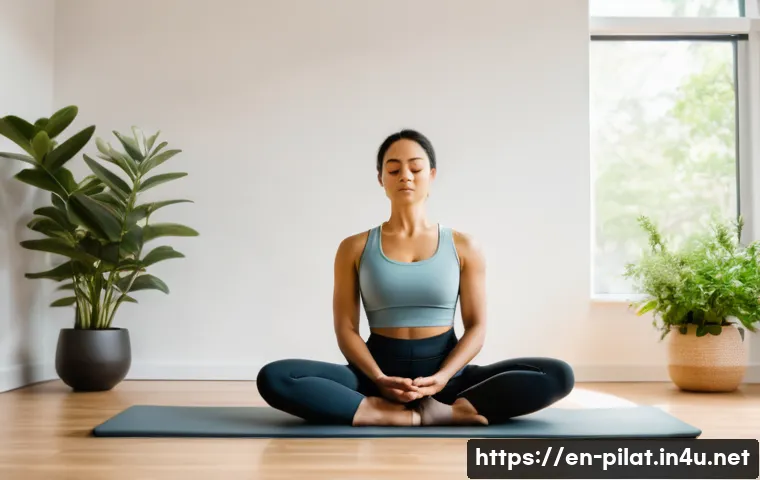
Pilates itself is a mindful practice, but it’s easy to forget to apply that mindfulness to your own well-being during a hectic day. I’ve found that pausing between clients for just a few deep breaths or a brief meditation can work wonders.
Breathwork calms the nervous system, lowers cortisol levels, and helps clear your mind, making you more centered and ready to engage with your next client.
Even a minute or two can shift your mood and reduce tension in your body. Try inhaling deeply through your nose for a count of four, holding for four, then exhaling slowly through your mouth for a count of six.
Stretching and Movement for Your Own Body
While guiding others through Pilates moves, it’s crucial not to neglect your own body’s needs. I make it a point to take short movement breaks that focus on areas prone to stiffness like the neck, shoulders, and lower back.
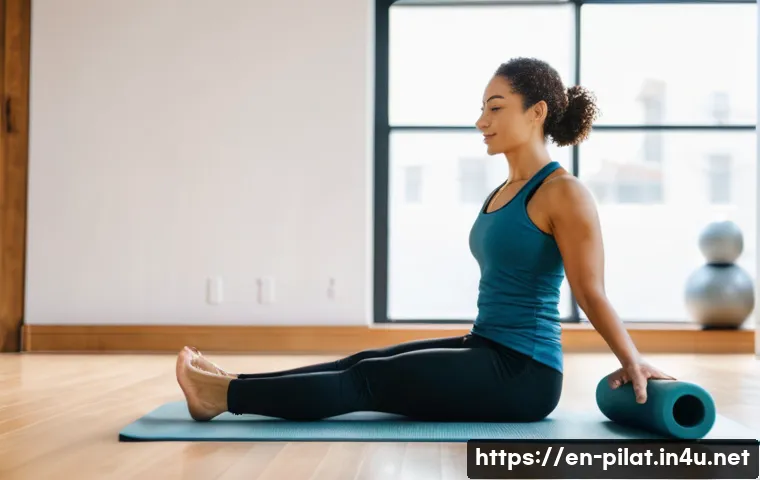
Gentle stretches or foam rolling during breaks can prevent aches that build up from standing or demonstrating exercises all day. This proactive approach to physical care has kept me injury-free and energized.
Plus, it sets a great example for clients to prioritize their own body awareness.
Creating a Dedicated Space for Mindfulness
If you have the chance to set up a small corner in your studio or home for mindfulness practices, it can be a game changer. Having a dedicated spot where you can retreat for a moment of calm—even if it’s just 5 minutes—helps reinforce the habit of checking in with yourself.
I use a small cushion and soft lighting to create a peaceful vibe that encourages relaxation. This physical space becomes a mental cue that it’s time to reset, which improves your emotional resilience throughout the day.
Leveraging Support Networks and Professional Resources
Connecting with Fellow Pilates Instructors
Being part of a community that understands your unique challenges can make stress much easier to manage. I actively participate in local and online Pilates groups where instructors share tips, vent frustrations, and celebrate successes.
This camaraderie reminds you that you’re not alone in facing the pressures of the job. Sometimes, just knowing someone else has been through a similar tough day can lift your spirits and provide practical advice.
I also find that exchanging ideas about class management and client engagement helps me grow professionally.
Seeking Mentorship and Continuing Education
Investing in your professional development not only sharpens your skills but also boosts confidence, which in turn reduces anxiety about your work. I’ve benefited from mentorship programs where experienced instructors offer guidance on handling difficult clients or expanding your business.
Additionally, continuing education workshops introduce fresh perspectives and techniques that renew my enthusiasm for teaching. When you feel competent and inspired, stress from uncertainties or challenges diminishes significantly.
Utilizing Mental Health and Wellness Resources
Stress management isn’t just about physical health; mental health plays a huge role. Many instructors overlook this aspect, but I’ve learned that accessing counseling services, mindfulness apps, or wellness coaching can provide crucial support.
Some studios even offer employee assistance programs that include mental health resources. Don’t hesitate to reach out for professional help when stress feels overwhelming.
Prioritizing your mental wellness ensures you sustain a long and fulfilling career in Pilates.
Optimizing Your Daily Routine for Energy and Focus
Establishing a Morning Ritual to Set the Tone
How you start your day can have a massive impact on your stress levels and productivity. I’ve developed a morning routine that includes hydration, light stretching, and a moment of gratitude or intention setting.
This simple practice grounds me and prepares my mind to handle whatever the day throws at me. Even on hectic mornings, this ritual acts as a buffer against stress, helping me stay calm and focused during back-to-back sessions.
Planning Breaks and Nutrition to Sustain Energy
Skipping meals or grabbing quick snacks on the go is tempting when you’re busy teaching, but it often backfires by causing energy crashes later. I make sure to pack balanced meals and schedule short breaks to eat mindfully.
Foods rich in protein, healthy fats, and complex carbs keep my energy steady throughout the day. Staying hydrated is equally important—I keep a water bottle nearby at all times.
This attention to nutrition and rest has made a noticeable difference in how energized and alert I feel during my classes.
Reflecting and Adjusting at Day’s End
Before closing my workday, I take a few minutes to reflect on what went well and what could improve. This isn’t about self-criticism but about learning and growth.
Writing down a couple of wins helps me end on a positive note, which reduces anxiety about future sessions. I also note any stress triggers that popped up so I can strategize ways to handle them better next time.
This daily reflection ritual has been key to maintaining a healthy mindset and preventing burnout.
Balancing Client Expectations with Your Well-being
Personalizing Attention Without Overextending
Clients expect personalized guidance, which is part of what makes Pilates rewarding. However, trying to give 100% to every individual in a packed schedule can be overwhelming.
I’ve found that setting realistic expectations early on and using efficient teaching methods helps balance quality and workload. For example, preparing a few adaptable exercises that cater to common client needs saves time while still feeling personalized.
Communicating openly with clients about what you can offer within each session fosters mutual respect and understanding.
Handling Difficult Clients Gracefully
Every instructor encounters challenging clients, whether it’s those who question your expertise or those who push boundaries. Managing these situations calmly is crucial to reducing stress.
I approach difficult interactions with empathy and professionalism, listening carefully and setting clear, respectful boundaries. Sometimes, redirecting the conversation or offering alternative solutions helps defuse tension.
Remember, protecting your emotional energy is just as important as addressing client concerns.
Encouraging Client Self-Empowerment
One of the best ways to reduce your stress is by empowering clients to take ownership of their practice outside of sessions. I encourage clients to develop home routines or mindfulness habits that complement their Pilates work.
This not only enhances their progress but also lightens your workload because they’re more engaged and self-sufficient. Sharing resources like videos, apps, or simple exercise plans creates a partnership dynamic that benefits both parties and fosters a positive, less stressful teaching environment.
Practical Tools and Techniques for Stress Relief
Using Technology to Streamline Your Workflow
Technology can be a massive help in managing the administrative side of being a Pilates instructor. Scheduling software, automated reminders, and payment systems reduce the mental load of organizing classes and tracking clients.
I’ve personally found that investing in user-friendly apps frees up time and reduces last-minute chaos, which cuts down stress significantly. These tools also help maintain professionalism, which boosts client trust and satisfaction.
Incorporating Physical Relaxation Techniques
After a long day of instructing, my go-to stress relief includes physical relaxation methods like progressive muscle relaxation or gentle yoga stretches.
These practices help release built-up tension in muscles and calm the mind. Sometimes, I combine this with a warm bath or a massage to deepen the relaxation effect.
Making these activities part of your routine can prevent the physical toll of stress from accumulating and improve your overall well-being.
Tracking Stress Levels for Better Awareness
Being mindful of your stress patterns helps you intervene before things get overwhelming. I keep a simple journal where I note stressful moments and my reactions.
Over time, this tracking reveals patterns—like certain times of day or types of clients that trigger more stress. With this awareness, I can proactively adjust my schedule or approach to mitigate those triggers.
This kind of self-monitoring is a powerful tool for maintaining balance and preventing burnout.
| Stress Management Strategy | Key Benefits | Implementation Tips |
|---|---|---|
| Setting Boundaries | Preserves energy, improves client focus | Limit classes, clear communication hours |
| Mindfulness and Breathwork | Calms nervous system, reduces anxiety | Short breathing exercises between sessions |
| Support Networks | Emotional support, professional growth | Join instructor groups, seek mentorship |
| Optimized Routine | Maintains energy, reduces burnout | Morning rituals, balanced nutrition, reflection |
| Client Management | Balances workload, reduces conflicts | Set expectations, empower clients |
| Technology Use | Streamlines admin, saves time | Use scheduling/payment apps |
| Physical Relaxation | Releases tension, enhances recovery | Progressive muscle relaxation, massage |
Conclusion
Protecting your energy as a Pilates instructor is essential for sustaining both your passion and performance. By setting clear boundaries, incorporating mindfulness, and leveraging support systems, you can maintain balance in a demanding schedule. Remember, taking care of yourself ultimately benefits your clients and your career. Embrace these strategies to create a healthier, more fulfilling teaching experience.
Useful Information to Keep in Mind
1. Setting boundaries isn’t selfish; it’s necessary to preserve your energy and deliver quality instruction consistently.
2. Mindfulness practices like breathwork and short movement breaks can quickly reset your focus and reduce stress during busy days.
3. Connecting with fellow instructors and seeking mentorship helps you grow professionally while providing emotional support.
4. Optimizing daily routines with nutrition, hydration, and reflection helps sustain energy and prevent burnout.
5. Utilizing technology for scheduling and client management saves time and reduces administrative stress.
Key Takeaways
Maintaining your well-being requires intentional actions: establish firm limits on your workload, communicate availability clearly, and don’t hesitate to say no when needed. Incorporate mindfulness techniques and physical self-care to recharge throughout the day. Build a supportive community and continue your professional growth to stay inspired and resilient. Finally, use practical tools and routines to streamline your work and nurture your mental and physical health for long-term success.
Frequently Asked Questions (FAQ) 📖
Q: How can Pilates instructors prevent burnout from managing back-to-back classes?
A: One of the best ways to avoid burnout is to schedule short breaks between sessions whenever possible, even if it’s just 5 to 10 minutes to stretch or breathe deeply.
I’ve found that these little pauses help me reset mentally and physically, so I don’t carry stress from one client to the next. Also, setting realistic limits on how many classes you teach in a day and prioritizing quality over quantity can make a huge difference.
Remember, your energy and enthusiasm are your most valuable tools.
Q: What strategies can Pilates instructors use to maintain their own physical health while working with clients?
A: Staying physically healthy as an instructor means practicing what you preach. I make it a point to incorporate my own Pilates routine or other forms of exercise into my daily life to keep my body strong and flexible.
Proper posture during demonstrations and using body mechanics that protect my joints help prevent injuries. Hydration, balanced nutrition, and getting enough sleep are equally important.
When I neglect these, I notice my performance dips and stress rises, so it’s crucial to treat your body as your most important asset.
Q: How can Pilates instructors ensure each client gets personalized attention without feeling overwhelmed?
A: Personalizing attention is key, but it can feel overwhelming with a packed schedule. What’s helped me is preparing session plans in advance that allow for flexibility based on each client’s needs.
I also focus on active listening during classes, so I can quickly identify what adjustments or cues clients need without overthinking. Using small group sessions instead of large classes can also make personalization more manageable.
Ultimately, staying organized and communicating clearly with clients about their goals and progress reduces pressure on both sides.