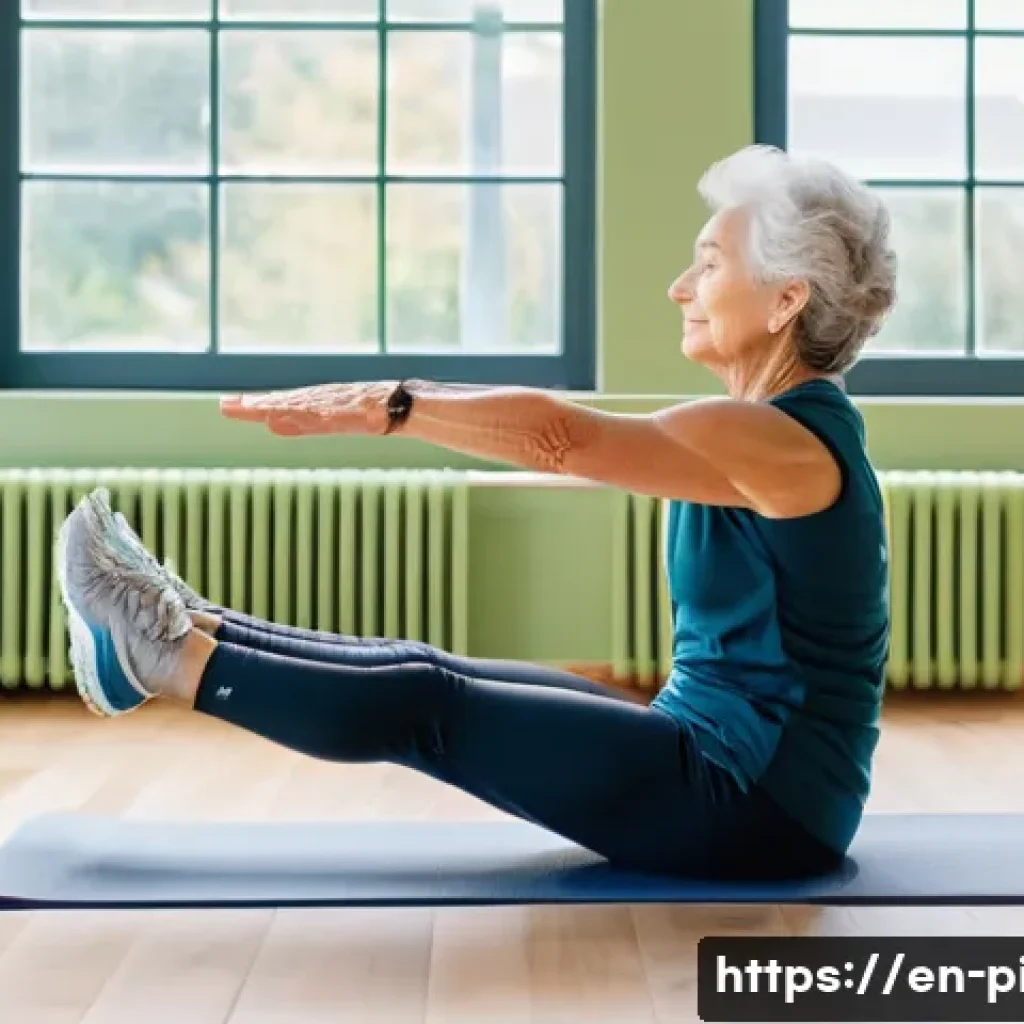
Pilates has become a popular fitness choice for people of all ages, but its benefits for seniors are especially remarkable. As a Pilates instructor, tailoring exercises to meet the unique needs of older adults can greatly enhance their strength, balance, and overall well-being.
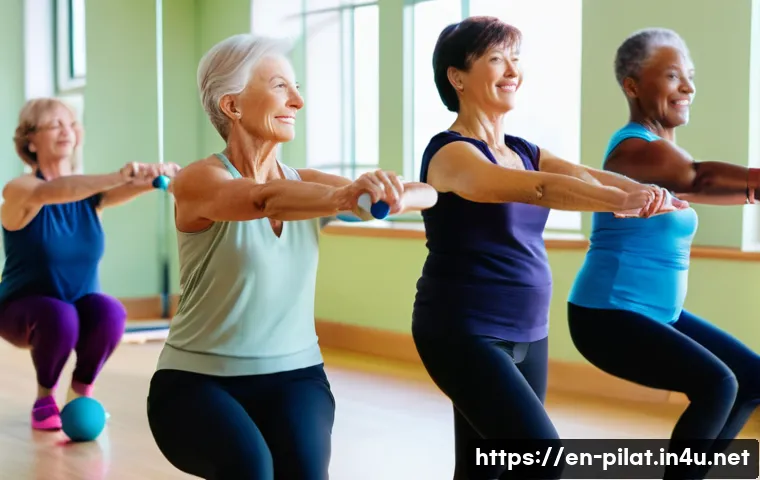
Many seniors find that Pilates helps them maintain mobility and reduces the risk of falls, making it a valuable part of their health routine. The connection between mindful movement and improved quality of life is truly inspiring.
If you’re curious about how Pilates can transform the aging process, we’ll dive into the details below to explore it thoroughly!
Enhancing Balance and Coordination Through Targeted Movements
Building Stability with Controlled Exercises
One of the standout benefits of Pilates for older adults is its focus on improving balance. As we age, the risk of falls increases, often due to declining muscle strength and coordination.
Pilates offers a gentle yet effective way to rebuild these essential components by emphasizing slow, deliberate movements that engage the core and lower body.
I’ve noticed that when seniors practice exercises like single-leg stands or controlled weight shifts, their ability to maintain stability in everyday situations improves significantly.
These movements encourage the nervous system to retrain itself, enhancing proprioception—the body’s awareness of its position in space—which is crucial for preventing falls.
Coordination Drills That Feel Natural
Coordination can sometimes feel elusive as we get older, but Pilates breaks down complex movements into manageable parts that feel natural and achievable.
For example, combining arm and leg movements in a rhythmic fashion helps seniors regain fluidity in their motions. When I guide clients through these drills, I often see a light bulb moment—the realization that their bodies can still move gracefully and with intention.
This renewed confidence often extends beyond the studio, positively impacting their daily activities like walking up stairs or reaching for objects.
Improving Reaction Time with Mindful Practice
Another subtle yet powerful advantage comes from the mindful aspect of Pilates. Exercises demand concentration, which helps sharpen reaction times by training the brain and body to work in sync.
Seniors who regularly engage in Pilates report feeling more alert and quicker to respond to unexpected situations, such as regaining balance after a trip.
This mental engagement is just as critical as the physical benefits, making Pilates a comprehensive practice for maintaining independence.
Strengthening Core Muscles for Better Posture and Pain Relief
Core Activation and Its Role in Daily Function
The core is the powerhouse of the body, and strengthening it can dramatically enhance posture and reduce back pain—common complaints among older adults.
Pilates targets deep abdominal muscles and the lower back, which are often neglected in conventional exercise routines. From my experience, clients who consistently work on core activation notice less discomfort when sitting or standing for long periods.
This foundation supports every movement, reducing strain on joints and improving overall mobility.
Addressing Postural Imbalances with Tailored Movements
Many seniors develop postural imbalances over time due to habits like slouching or uneven weight distribution. Pilates exercises are uniquely suited to correct these issues by promoting spinal alignment and encouraging symmetry.
I’ve worked with individuals whose rounded shoulders and forward head posture began to improve noticeably after a few weeks of dedicated practice. This not only enhances their appearance but also helps alleviate tension headaches and neck stiffness.
Relieving Chronic Pain Through Strength and Flexibility
Chronic pain often limits seniors’ activity levels, creating a vicious cycle of weakness and discomfort. Pilates breaks this cycle by offering low-impact exercises that increase strength without overloading joints.
When performed mindfully, these movements also improve flexibility, which can reduce muscle tightness and joint stiffness. Clients have told me that after incorporating Pilates into their routine, they experience fewer flare-ups of pain and feel more capable of engaging in their favorite hobbies.
Boosting Flexibility to Support Joint Health
Gentle Stretching for Improved Range of Motion
Flexibility naturally declines with age, leading to stiffness and reduced mobility. Pilates incorporates gentle stretching that targets key muscle groups around joints, helping to maintain or even improve range of motion.
I’ve observed that seniors who commit to these stretches feel less constrained in movements like bending down or reaching overhead. This increased freedom of movement contributes significantly to their quality of life.
Protecting Joints with Balanced Muscle Length
Muscle imbalances can place undue stress on joints, accelerating wear and tear. Pilates emphasizes balanced muscle length by combining strengthening with stretching, which protects joints from strain.
This balanced approach is especially important for knees, hips, and shoulders—areas prone to arthritis. Clients often remark that their joints feel more stable and less achy after consistent Pilates practice, allowing them to stay active longer.
Encouraging Relaxation and Breath Awareness
Flexibility work in Pilates is paired with breath control, which promotes relaxation and reduces muscle tension. Seniors frequently tell me that focusing on their breath during stretching helps them feel more centered and calm, reducing anxiety and improving sleep quality.
This mind-body connection makes flexibility exercises more effective and enjoyable.
Promoting Cardiovascular Health with Low-Impact Movement
Increasing Heart Rate Safely
While Pilates is often viewed as a strength and flexibility workout, it also contributes to cardiovascular health, especially when sequences are performed continuously with controlled breathing.
For older adults, this low-impact approach provides a safe way to elevate heart rate without risking joint injury. I’ve seen clients gradually build endurance through Pilates, feeling more energetic throughout the day.
Enhancing Circulation and Respiratory Function
The emphasis on deep, diaphragmatic breathing in Pilates not only supports movement but also enhances lung capacity and oxygen flow. Improved circulation helps reduce swelling in extremities—a common issue for seniors—and promotes faster recovery after physical activity.
Clients often mention feeling more refreshed and less fatigued after sessions focused on breath and movement coordination.
Supporting Overall Wellness Through Consistency
Regular Pilates practice encourages a habit of gentle movement that complements cardiovascular health. Unlike high-intensity workouts that may deter some older adults, Pilates offers an approachable routine that feels manageable and rewarding.
This consistency plays a key role in maintaining healthy blood pressure and weight management, further reducing risks associated with heart disease.
Fostering Mental Clarity and Emotional Well-being
Mindfulness as a Core Component
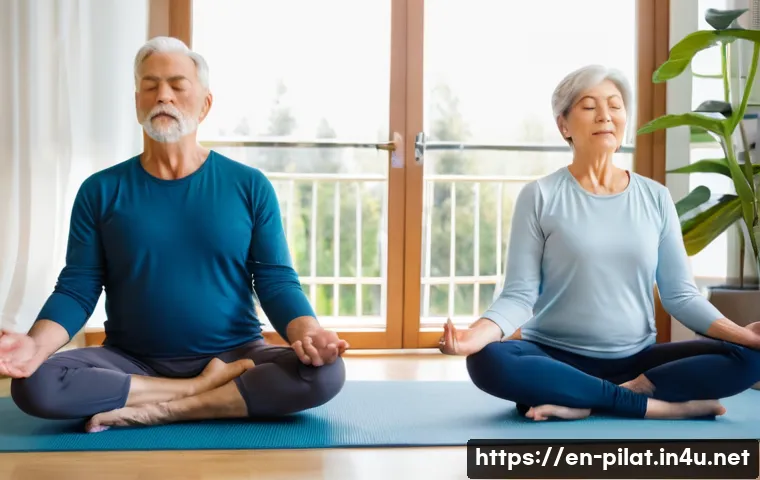
Pilates is as much a mental practice as it is physical. The requirement to focus on precise movements and breathing fosters mindfulness, which can alleviate stress and improve mood.
Seniors who engage in Pilates often report feeling more present and less overwhelmed by daily worries, contributing to a more positive outlook on aging.
Building Confidence Through Achievable Goals
Setting and reaching small milestones in Pilates builds self-confidence, especially for those who may feel limited by age or health conditions. Watching progress unfold—from holding a plank longer to mastering a new stretch—instills a sense of accomplishment that spills over into other areas of life.
This empowerment is invaluable for emotional resilience.
Social Connection and Support Networks
Many Pilates classes for older adults foster a welcoming community where participants share experiences and encouragement. This social aspect combats feelings of isolation, which are common among seniors.
From my perspective, the friendships formed in these groups often become a vital source of motivation and joy, enriching the overall experience beyond physical benefits.
Customizing Practice to Individual Needs and Abilities
Assessing Mobility and Health Conditions
Every senior’s body and health profile are unique, so tailoring Pilates exercises is essential. I always begin by assessing a client’s mobility, strength, and any medical concerns such as arthritis or osteoporosis.
This careful evaluation allows me to select movements that are both safe and effective, avoiding any exercises that might exacerbate existing issues.
Progressing at a Comfortable Pace
Patience is key when working with older adults. I encourage clients to progress gradually, celebrating small improvements rather than rushing into advanced poses.
This approach helps build trust and reduces the risk of injury. Over time, many seniors surprise themselves with their capacity to take on more challenging exercises while maintaining comfort.
Incorporating Props for Support and Variation
Using props like resistance bands, small balls, or Pilates rings can add variety and assist with alignment or support. These tools are especially helpful for clients with limited strength or flexibility, allowing them to experience the full benefits of Pilates without strain.
In my classes, props often become favorites because they make exercises feel accessible and fun.
| Benefit | How Pilates Supports It | Real-Life Impact |
|---|---|---|
| Balance | Controlled weight shifts and core engagement improve stability | Reduced risk of falls, safer daily movement |
| Core Strength | Targeted exercises activate deep abdominal and back muscles | Better posture, decreased back pain |
| Flexibility | Gentle stretching paired with breath control | Increased joint mobility, less stiffness |
| Cardiovascular Health | Low-impact continuous movement raises heart rate safely | Improved endurance and energy |
| Mental Well-being | Mindful movement and focus reduce stress | Enhanced mood, greater confidence |
Encouraging Lifelong Movement Habits
Building a Sustainable Routine
The true power of Pilates lies in its adaptability to be a lifelong habit. I always stress to clients that consistency, even if it’s just 10-15 minutes a day, yields the best results.
This manageable commitment fits well into busy or unpredictable schedules common among older adults. When Pilates becomes part of a daily ritual, it’s no longer a chore but a welcome moment of self-care.
Adapting Exercises as Needs Change
A key reason Pilates remains effective over time is its flexibility to evolve with the practitioner. As strength or mobility improves—or as new challenges arise—the practice can be modified to match.
This adaptability keeps clients engaged and prevents plateaus, ensuring they continue to benefit physically and mentally.
Celebrating Movement at Every Age
Perhaps the most rewarding aspect I’ve witnessed is the joy seniors find in reclaiming movement. Pilates helps shift the narrative from limitations to possibilities, showing that aging doesn’t have to mean giving up on physical vitality.
This celebration of the body’s capabilities fosters a more vibrant, connected experience of life at any age.
Conclusion
Incorporating Pilates into daily life offers remarkable benefits that go beyond physical fitness. It enhances balance, strength, flexibility, and cardiovascular health while nurturing mental clarity and emotional well-being. With its adaptable nature, Pilates supports seniors in maintaining independence and enjoying a vibrant, active lifestyle at any age.
Useful Information to Keep in Mind
1. Consistency is key—regular practice, even in short sessions, delivers the best long-term results.
2. Pilates exercises can and should be tailored to individual abilities and health conditions for safety and effectiveness.
3. Mindful breathing and focused movements not only improve physical outcomes but also reduce stress and enhance mood.
4. Using props like resistance bands or Pilates rings can make exercises more accessible and enjoyable.
5. Engaging in Pilates classes often provides valuable social connections that support motivation and emotional health.
Key Takeaways
Prioritize gradual progress and personalized routines to maximize benefits and minimize injury risk. Emphasize core strength and balance exercises to reduce fall risk and improve posture. Combine flexibility work with breath awareness to enhance joint health and relaxation. Remember that Pilates is as much a mental practice as a physical one, fostering confidence and emotional resilience. Finally, view Pilates as a lifelong, adaptable habit that empowers movement and well-being throughout aging.
Frequently Asked Questions (FAQ) 📖
Q: Is Pilates safe for seniors who have limited mobility or chronic health conditions?
A: Absolutely! Pilates can be safely adapted for seniors with limited mobility or chronic health issues like arthritis or osteoporosis. As an instructor, I’ve found that modifying exercises to focus on gentle, controlled movements helps build strength without strain.
It’s important to start slowly, listen to your body, and work with a knowledgeable instructor who can tailor the program to your specific needs. Many seniors experience improved joint flexibility and reduced pain, making daily activities easier and more enjoyable.
Q: How does Pilates help reduce the risk of falls in older adults?
A: Pilates emphasizes core strength, balance, and body awareness—all crucial for fall prevention. From my experience teaching seniors, exercises that improve stability and coordination directly translate into better control during everyday movements, like walking or standing up from a chair.
This enhanced balance reduces the likelihood of slips and falls, which are a major concern for older adults. Plus, Pilates encourages mindful movement, so seniors become more aware of their posture and alignment, which further supports safe mobility.
Q: How often should seniors practice Pilates to see noticeable benefits?
A: Consistency is key! I usually recommend seniors aim for two to three Pilates sessions per week to experience meaningful improvements in strength, flexibility, and balance.
Even shorter sessions, around 30 to 45 minutes, can make a difference if practiced regularly. From what I’ve observed, seniors who commit to a steady routine notice increased energy levels and greater ease in daily tasks within just a few weeks.
Of course, it’s always best to start at a comfortable pace and gradually increase intensity as confidence and capability grow.