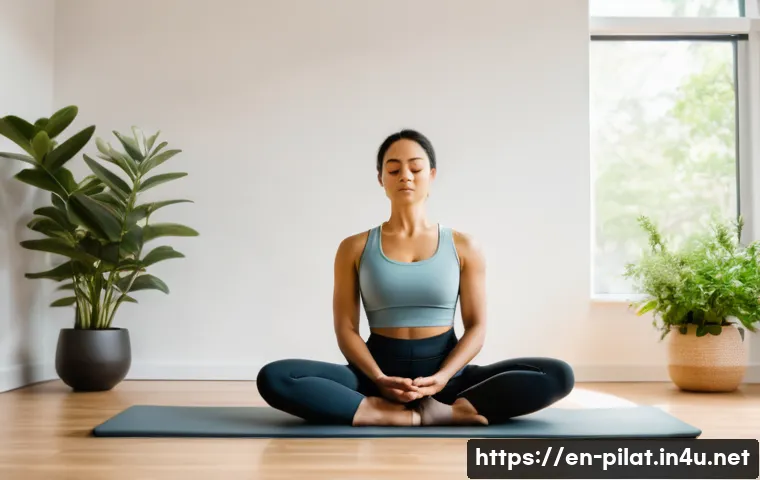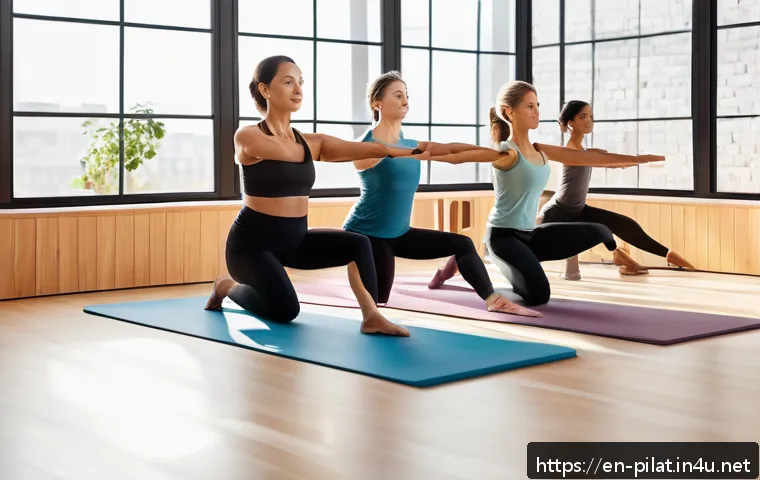
Lately, wellness trends have been shifting toward mindful movement, and Pilates is leading the charge with its blend of strength, flexibility, and body awareness.
If you’re new to Pilates or thinking about becoming an instructor, mastering the foundational moves can transform your practice and teaching approach.
These essential exercises don’t just tone your body—they build confidence and control from day one. In this post, I’ll share the go-to Pilates moves that every beginner instructor swears by, helping you unlock your best body while setting the stage for a rewarding fitness journey.
Ready to dive in? Let’s explore the core techniques that make Pilates a game-changer for all levels.
Building a Strong Foundation with Breath and Core Engagement
Understanding the Power of Breath in Movement
Breathing is the heartbeat of Pilates practice. Unlike casual breathing, Pilates uses a specific pattern called lateral thoracic breathing, which means you breathe deeply into your ribs while keeping your abdomen gently engaged.
This technique stabilizes your spine and allows for more controlled movements. When I first started teaching, I noticed that students who grasped this concept quickly found their exercises felt more fluid and effective.
Taking the time to master this breathing pattern isn’t just about oxygen intake—it’s about creating a rhythm that supports every motion, making your body feel more connected and alive.
Activating the Core for Stability and Balance
Core engagement in Pilates goes beyond just “sucking in your stomach.” It’s about gently drawing your lower ribs toward your pelvis, activating the deep abdominal muscles like the transverse abdominis.
This subtle contraction acts like a natural corset, protecting your lower back and improving posture. From my experience, focusing on core activation in every exercise not only enhances muscle tone but also builds confidence in movement control.
Beginners often underestimate how much strength lies in this internal support system, but once they feel it working, it becomes the anchor for all Pilates exercises.
How Breath and Core Work Together to Enhance Movement
Combining breath with core activation creates a dynamic duo that propels Pilates practice forward. When you inhale, your rib cage expands, and as you exhale, the core gently tightens to support spinal alignment.
I’ve seen students struggle at first to synchronize these actions, but once they do, their movements become smoother and more purposeful. This coordination is crucial because it reduces strain on other muscle groups and prevents common injuries.
Teaching this connection early on sets the tone for a safe, effective, and mindful Pilates journey.
Enhancing Flexibility and Strength Through Controlled Articulation
Mastering the Art of Spinal Mobility
One of the most transformative elements of Pilates is the focus on spinal articulation—moving the spine segment by segment with control and intention.
Exercises like the Roll-Up or Spine Stretch forward this concept beautifully. From personal observation, clients who develop spinal flexibility notice less stiffness and better posture in daily life.
The key is to move slowly and mindfully, feeling each vertebrae peel off the mat or curl down. It’s not about speed but about quality and awareness, which can be a real game changer for people who sit for long hours.
Strengthening the Posterior Chain for Balanced Posture
Pilates places a strong emphasis on the posterior chain muscles, including the back extensors, glutes, and hamstrings, which are often neglected in traditional workouts.
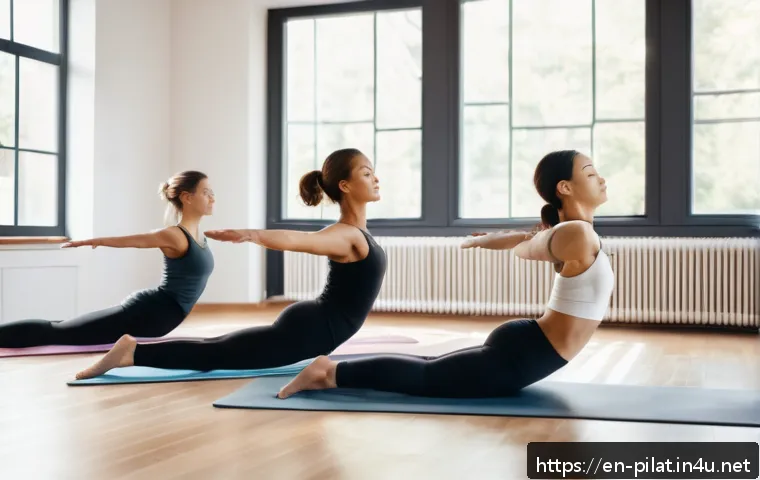
I’ve found that exercises like Swimming and the Shoulder Bridge help build strength here without bulk, promoting a leaner, more resilient physique. Strengthening these muscles supports the spine, reduces the risk of injury, and improves overall movement quality.
Beginners might find these moves challenging initially, but persistence pays off as they notice improved alignment and less back pain.
Integrating Flexibility and Strength for Functional Movement
The beauty of Pilates lies in its ability to marry flexibility with strength seamlessly. This integration supports functional movements that carry over into everyday activities like bending, lifting, and twisting.
When teaching, I emphasize that Pilates isn’t just about looking good—it’s about feeling strong and capable in your body. By combining controlled articulation with posterior chain strengthening, students develop a well-rounded physique that moves gracefully and efficiently, reducing wear and tear over time.
Developing Coordination and Precision for Effective Practice
Fostering Mind-Body Connection Through Movement
Pilates demands a high level of concentration and body awareness, which cultivates a deep mind-body connection. I’ve noticed that beginners who focus on precise movements rather than rushing through exercises tend to progress faster and enjoy the practice more.
This connection helps prevent injury by encouraging proper alignment and muscle recruitment. Teaching students to slow down and feel each movement makes Pilates a moving meditation, enhancing both physical and mental well-being.
Improving Motor Control with Repetitive, Controlled Patterns
Repetition with control is a cornerstone of Pilates training. It’s not about doing endless reps but about performing each one with intention and accuracy.
This method enhances neuromuscular coordination, allowing the brain and muscles to communicate more effectively. From personal experience, this leads to improved posture, balance, and efficiency in movement.
I always remind students that quality trumps quantity, especially in the early stages, to build a solid foundation for future progress.
Using Props to Refine Precision and Challenge Stability
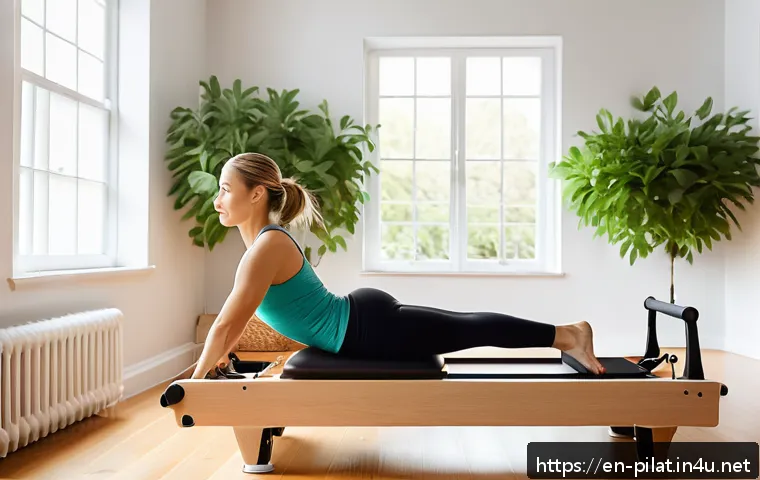
Incorporating props like resistance bands, Pilates rings, or small balls can elevate the challenge and improve precision. These tools encourage subtle muscle engagement and better control, which are essential for advanced Pilates practice.
I find that props also add variety and fun to sessions, keeping students engaged and motivated. Beginners often feel more confident when they see their progress through these controlled challenges, making props an invaluable part of teaching and practicing Pilates.
Establishing Consistency and Progression for Long-Term Success
Creating a Sustainable Practice Routine
One lesson I’ve learned over the years is that consistency beats intensity when it comes to Pilates. It’s better to practice a few minutes every day than to push hard sporadically.
This steady approach allows the body to adapt, muscles to strengthen, and habits to form. Encouraging students to set realistic goals and celebrate small wins helps maintain motivation.
Over time, this consistency builds a resilient body and a confident mindset that fuels continued growth.
Gradually Increasing Challenge Without Sacrificing Form
Progression in Pilates should be gradual and mindful. I always emphasize to my students that increasing difficulty is not about doing more reps or faster movements but about refining form and control.
Introducing more complex exercises or adding resistance should happen only when the foundational skills are solid. This approach prevents injury and ensures that progress is sustainable.
Watching students gain strength and flexibility while maintaining grace is incredibly rewarding and proof that smart progression pays off.
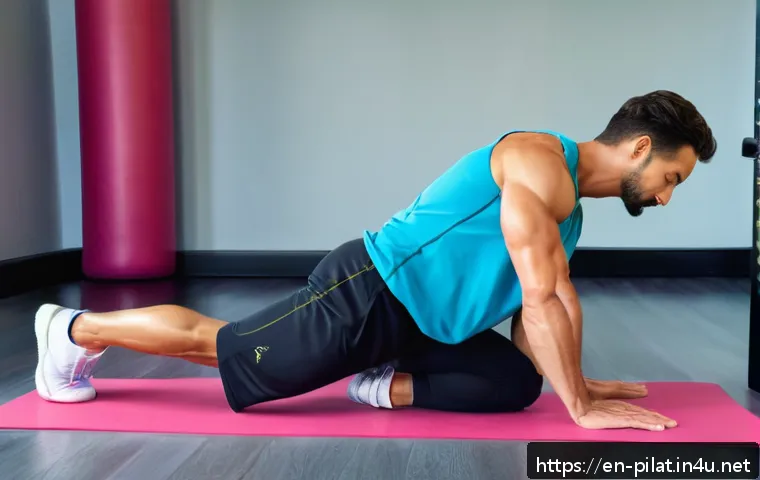
Tracking Progress to Stay Motivated and Informed
Keeping a journal or log of Pilates sessions can be a powerful motivator. I recommend noting down exercises practiced, challenges faced, and improvements noticed.
This habit helps identify patterns, celebrate achievements, and adjust goals as needed. From my perspective, seeing tangible evidence of progress—whether it’s better balance, reduced pain, or increased endurance—fuels enthusiasm and commitment.
For instructors, tracking client progress also informs personalized programming, leading to more effective teaching.
Understanding the Importance of Alignment and Postural Awareness
Recognizing Neutral Spine and Its Role in Pilates
Neutral spine is the natural alignment of the spine when the three curves—cervical, thoracic, and lumbar—are in their optimal positions. Maintaining this alignment during Pilates exercises is crucial for protecting the back and maximizing the benefits of movement.
I’ve noticed that beginners often struggle with this concept, but once they understand it, their posture improves dramatically both on and off the mat.
Teaching neutral spine early on helps prevent compensations and lays the groundwork for safe, effective practice.
Correcting Common Postural Imbalances Through Pilates
Many people come to Pilates with habitual postural imbalances like rounded shoulders or anterior pelvic tilt. Pilates exercises are uniquely suited to address these issues by strengthening weak muscles and stretching tight ones.
For example, exercises focusing on scapular stabilization can open up the chest and reduce shoulder rounding. In my teaching, I emphasize awareness of these imbalances and use targeted moves to gradually restore balance.
Students often report feeling taller and more aligned after consistent practice.
Incorporating Postural Awareness Into Daily Life
The real magic of Pilates happens when postural awareness transfers beyond the studio. I encourage students to be mindful of their alignment during daily activities such as sitting at a desk, walking, or lifting objects.
This mindfulness reduces strain and prevents injury, reinforcing the benefits of Pilates. From personal experience, clients who adopt this habit notice less fatigue and pain, and their bodies feel more coordinated.
Teaching this integration is key to long-term wellness and functional movement.
Enhancing Movement Flow and Transition Skills
Connecting Exercises Through Seamless Transitions
Pilates isn’t just about individual exercises—it’s about how they flow together. Smooth transitions between movements maintain engagement and build endurance.
I’ve observed that when students focus on connecting one exercise to the next, their practice feels more like a dance than a workout. This flow encourages better breathing and core engagement throughout.
Teaching transitions helps students develop rhythm and grace, making their sessions more enjoyable and effective.
Using Tempo and Timing to Improve Fluidity
Tempo plays a huge role in Pilates, dictating how fast or slow movements are performed. Slow, controlled tempo enhances muscle engagement and precision, while a slightly faster pace can build cardiovascular endurance.
I encourage students to experiment with tempo to find what challenges them appropriately. Timing breath with movement is equally important for fluidity.
From what I’ve seen, mastering tempo and timing creates a more satisfying and productive Pilates experience.
Adapting Flow for Different Levels and Goals
Flow in Pilates can be customized to suit various fitness levels and objectives. Beginners may start with gentle, deliberate transitions, while advanced practitioners can incorporate more complex sequences and faster flows.
I tailor flow patterns based on individual needs, ensuring that each session feels challenging yet attainable. This adaptability keeps Pilates accessible and rewarding for everyone, fostering long-term commitment and enjoyment.
Comparing Key Pilates Movements and Their Benefits
| Exercise | Main Focus | Primary Benefits | Common Challenges |
|---|---|---|---|
| Roll-Up | Spinal articulation, core strength | Improves flexibility, strengthens abdominals, enhances control | Maintaining smooth movement, avoiding neck strain |
| Plank | Core stability, shoulder strength | Builds endurance, tones arms and abs, improves posture | Keeping hips aligned, preventing lower back sag |
| Swimming | Back extensors, coordination | Strengthens posterior chain, improves balance and posture | Synchronizing limbs, maintaining breath control |
| Leg Circles | Hip mobility, core control | Enhances joint flexibility, tones legs, promotes pelvic stability | Preventing hip rotation, controlling core engagement |
| Shoulder Bridge | Glute strength, spinal articulation | Strengthens hips and hamstrings, improves spinal flexibility | Maintaining pelvic alignment, engaging core |
In Conclusion
Building a solid Pilates practice starts with mastering breath and core engagement, which together create stability and fluidity. Enhancing flexibility and strength through mindful articulation supports balanced posture and functional movement. Developing coordination and precision deepens the mind-body connection, while consistency and progression ensure lasting benefits. With proper alignment and smooth transitions, Pilates becomes not only effective but truly enjoyable.
Helpful Information to Know
1. Breath control in Pilates stabilizes the spine and enhances movement efficiency, making exercises feel more connected and purposeful.
2. Engaging the deep core muscles provides natural support, improves posture, and reduces the risk of injury during practice.
3. Spinal articulation exercises increase flexibility and reduce stiffness, especially beneficial for those with sedentary lifestyles.
4. Using props like resistance bands and Pilates rings can challenge stability and precision, adding variety and motivation to workouts.
5. Tracking progress with a journal helps maintain motivation and allows for personalized adjustments to optimize your Pilates journey.
Key Takeaways for Effective Pilates Practice
Consistency and mindful progression are essential for safe and sustainable improvements. Prioritizing quality over quantity ensures proper form and prevents injury. Developing awareness of spinal alignment and posture extends the benefits beyond the mat into daily life. Integrating breath, core activation, and controlled movement creates a harmonious and effective Pilates experience that supports long-term health and well-being.
Frequently Asked Questions (FAQ) 📖
Q: uestions about Pilates for Beginners and InstructorsQ1: What are the most important Pilates moves every beginner instructor should master?
A: For beginners stepping into Pilates instruction, mastering foundational exercises like the Hundred, Roll-Up, Leg Circles, and Plank is essential. These moves target core strength, flexibility, and body awareness, which are the pillars of Pilates practice.
Personally, I found that focusing on these basics helped me build a strong teaching foundation, allowing me to guide students confidently and safely through more advanced sequences later on.
Q: How does practicing Pilates help improve overall body awareness and confidence?
A: Pilates emphasizes mindful movement and precise control, which naturally enhances body awareness. When you practice regularly, you start to notice subtle imbalances and weaknesses, allowing you to correct posture and movement patterns.
From my experience, this heightened awareness boosts confidence—not just in Pilates class but in everyday activities—because you feel more in tune with your body’s capabilities and limits.
Q: Can Pilates be effective for people of all fitness levels, including those new to exercise?
A: Absolutely! One of Pilates’ greatest strengths is its adaptability. Whether you’re a complete beginner or an athlete, Pilates exercises can be modified to match your fitness level and goals.
When I first introduced Pilates to my clients who were new to fitness, I adjusted the intensity and complexity of moves, and they still experienced significant improvements in strength and flexibility without feeling overwhelmed.
This inclusive nature makes Pilates a fantastic option for everyone.