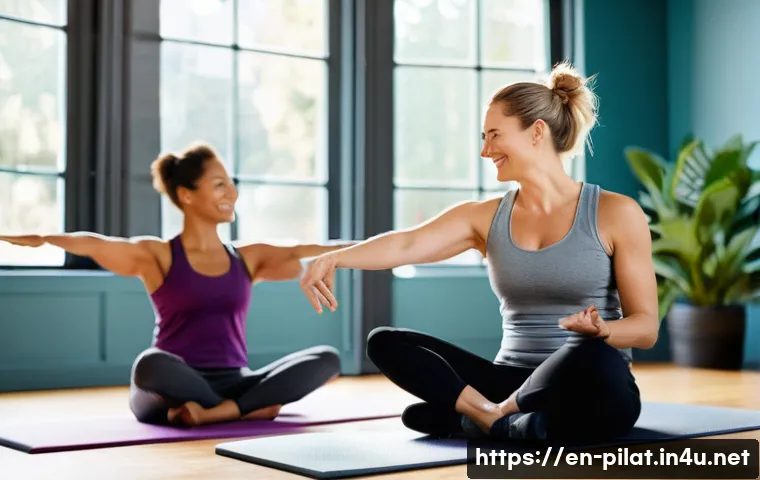
Connecting with clients is the cornerstone of a successful Pilates instruction career. Every conversation offers a chance to understand individual goals, address concerns, and build lasting trust.
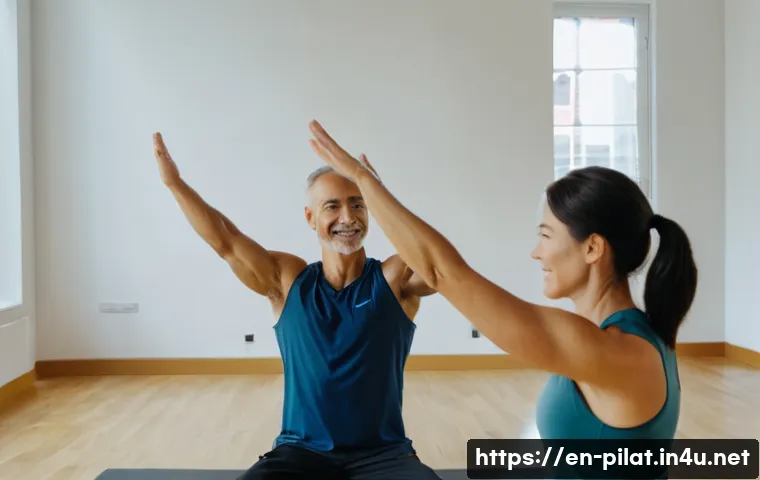
Navigating these discussions with empathy and clarity not only enhances client satisfaction but also boosts retention rates. From first impressions to follow-up sessions, mastering the art of consultation can transform your practice.
Let’s dive deep into the essential strategies that make Pilates client consultations truly effective. Get ready to discover the keys to meaningful client engagement!
Building Genuine Rapport Before the First Session
Understanding Client Background and Motivation
Before you even step into the studio, take time to learn about your client’s unique story. Ask open-ended questions about their fitness journey, any past injuries, and what drives them to try Pilates.
I’ve found that when clients feel heard right from the start, they’re more likely to open up about their true goals and concerns. This insight helps tailor sessions that feel personal and motivating.
Also, it sets a tone of trust and respect, which is crucial for a long-lasting instructor-client relationship.
Creating a Comfortable Environment for Open Communication
It’s not just what you say but how you say it. Make sure your tone is warm and inviting, and your body language is relaxed and open. Clients can sense when you’re genuinely interested in their wellbeing versus just ticking boxes.
I usually start consultations with light, casual conversation to ease any nerves. This approach has helped me notice subtle cues—like hesitation or excitement—that guide how I proceed.
Remember, a calm, judgment-free space encourages honesty and makes clients feel valued.
Setting Clear Expectations Without Overwhelming
While enthusiasm is great, too much information at once can overwhelm new clients. Instead, break down what they can expect from Pilates, how progress might look, and what their commitment involves.
I like to summarize key points at the end of the consultation to ensure clarity. This way, clients leave feeling informed but not pressured. When expectations are realistic and transparent, clients tend to stick around longer and stay motivated throughout their journey.
Active Listening Techniques That Deepen Understanding
Reflecting and Paraphrasing to Confirm Understanding
One strategy I swear by is reflecting what the client says back to them in my own words. For example, if a client mentions struggling with lower back pain, I might say, “So you’re looking to improve core strength to reduce discomfort, is that right?” This technique shows you’re really paying attention and gives clients a chance to clarify or add details.
It also helps prevent misunderstandings that could derail progress down the line.
Reading Between the Lines: Noticing Nonverbal Cues
Clients often communicate more through body language and tone than words. I’ve noticed that hesitation, crossed arms, or a quiet voice can signal underlying doubts or fears.
By gently addressing these cues—“I sense you might be worried about something, want to talk about it?”—you invite honesty and can address barriers early.
This kind of empathy builds a stronger connection and shows clients you care about their whole experience, not just the exercises.
Encouraging Questions to Foster Engagement
Inviting clients to ask questions throughout the consultation keeps the dialogue dynamic and client-centered. I usually pause and say, “What questions do you have for me so far?” This not only clarifies doubts but also empowers clients to take ownership of their fitness journey.
The more engaged they feel, the more likely they are to commit to regular sessions and follow your guidance enthusiastically.
Personalizing Pilates Programs with Insightful Assessments
Using Movement Screens to Identify Strengths and Limitations
A thorough movement assessment can reveal imbalances or restrictions that standard questionnaires might miss. I’ve personally seen how a simple functional test—like checking pelvic alignment or spinal mobility—can change the focus of a Pilates routine.
This hands-on evaluation ensures exercises are safe, effective, and tailored to each client’s needs, which dramatically improves outcomes and satisfaction.
Aligning Exercises with Client Goals and Lifestyle
Clients don’t just want generic workouts; they want programs that fit their day-to-day lives. Whether it’s improving posture for desk jobs or increasing flexibility for weekend hiking, linking Pilates to real-life activities makes sessions more meaningful.
I always ask about daily habits and hobbies during consultations, then design sequences that enhance those areas. This approach not only boosts motivation but also reinforces why Pilates matters beyond the studio.
Adjusting Plans Based on Ongoing Feedback
No plan is set in stone. I encourage clients to share their experiences after each session, noting what felt good or challenging. This feedback loop allows me to tweak exercises, intensity, or focus areas, making the program feel alive and responsive.
Clients appreciate knowing their input shapes the process, which deepens trust and commitment.
Clear and Compassionate Communication Strategies
Explaining Pilates Concepts in Simple Terms
Pilates can feel technical, especially for newcomers. I make a point to break down complex terms like “neutral spine” or “engaging the transverse abdominis” into relatable explanations.
For instance, I might say, “Think of your core like a corset that supports your back.” This kind of clarity helps clients grasp the why behind movements, making them more confident and engaged during sessions.
Balancing Encouragement with Constructive Feedback
I’ve learned that how you deliver feedback can make or break client motivation. Positive reinforcement for small wins fuels progress, but honest, gentle corrections prevent bad habits.
For example, I’ll say, “Great job keeping your shoulders down! Let’s try to keep your hips a bit more stable next time.” This balance keeps clients motivated without feeling criticized or discouraged.

Handling Sensitive Topics with Tact
Sometimes, consultations touch on sensitive issues like weight, pain, or self-esteem. I approach these conversations with extra care, ensuring clients feel safe and supported.
Phrases like “Many people experience this, and we’ll work through it together” help normalize concerns and foster a non-judgmental atmosphere. This sensitivity builds deeper trust and encourages openness.
Utilizing Technology to Enhance Client Interaction
Scheduling and Follow-Up Through User-Friendly Apps
I’ve found that using scheduling apps that send automatic reminders significantly reduces no-shows and keeps clients accountable. Plus, these platforms often allow clients to message questions or update their progress between sessions, which keeps the communication flowing naturally.
This convenience improves client satisfaction and frees up more time for actual teaching.
Sharing Personalized Video Tutorials and Tips
After sessions, I sometimes send clients short videos demonstrating key exercises or stretches. This practice has been a game-changer for reinforcing proper technique at home.
Clients appreciate the extra guidance, and it shows you’re invested in their progress beyond the studio walls. It also reduces common errors, making in-person sessions more efficient.
Tracking Progress with Digital Tools
Using apps or spreadsheets to log client improvements—like increased flexibility or pain reduction—helps visualize progress over time. I share these updates regularly to motivate clients and celebrate milestones.
Seeing tangible results keeps enthusiasm high and reminds clients why their commitment matters.
Leveraging Follow-Up Conversations to Foster Loyalty
Checking In Regularly Without Being Pushy
Following up after initial sessions shows clients you care about their journey. I usually send a friendly message within 48 hours to ask how they’re feeling and if they have any questions.
This simple gesture often sparks valuable feedback and keeps clients connected. The key is to be genuine and avoid sounding like you’re just chasing bookings.
Using Feedback to Improve Your Teaching and Service
I always invite clients to share what’s working and what isn’t. This input not only improves their experience but also helps me grow as an instructor.
For example, if multiple clients mention a particular cue is confusing, I’ll adjust my language accordingly. Clients notice when you listen and evolve, which enhances your professional credibility.
Offering Incentives for Referrals and Continued Commitment
Rewarding loyal clients with discounts, small gifts, or referral bonuses can boost retention and attract new clients. I’ve seen how a well-timed incentive—like a free session after five booked classes—encourages ongoing engagement.
It’s a win-win that fosters a sense of community and appreciation.
| Consultation Aspect | Best Practice | Impact on Client Relationship |
|---|---|---|
| Initial Rapport Building | Ask open questions, create welcoming atmosphere | Establishes trust, encourages openness |
| Active Listening | Reflect, notice nonverbal cues, encourage questions | Enhances understanding, prevents miscommunication |
| Personalized Assessments | Movement screens, align with lifestyle | Ensures safety, improves motivation |
| Communication Style | Simple explanations, balanced feedback, tact | Builds confidence, reduces anxiety |
| Technology Use | Scheduling apps, video tutorials, progress tracking | Improves convenience, reinforces learning |
| Follow-Up | Regular check-ins, feedback integration, incentives | Increases retention, fosters loyalty |
Closing Thoughts
Building a strong connection with your clients before the first Pilates session is essential for lasting success. When you combine genuine rapport, active listening, personalized programming, clear communication, and thoughtful follow-up, you create an environment where clients feel supported and motivated. This foundation not only enhances their experience but also helps you grow as a trusted instructor. Remember, it’s about more than just exercises—it’s about people and their journeys.
Useful Information to Keep in Mind
1. Taking time to understand each client’s background and goals helps tailor sessions that truly resonate with them.
2. Creating a welcoming, judgment-free space encourages honest communication and builds trust quickly.
3. Using simple language and positive feedback makes Pilates accessible and boosts client confidence.
4. Incorporating technology like scheduling apps and video tutorials enhances convenience and supports progress outside the studio.
5. Regular check-ins and offering incentives can significantly improve client retention and foster a sense of community.
Key Takeaways
Establishing authentic rapport sets the stage for a successful instructor-client relationship by fostering trust and openness. Active listening and keen observation ensure you understand clients’ needs deeply, allowing you to personalize programs effectively. Clear, compassionate communication helps clients feel confident and engaged, while smart use of technology streamlines interaction and supports learning. Finally, consistent follow-up and thoughtful incentives strengthen loyalty and encourage ongoing commitment, making your Pilates practice both impactful and rewarding.
Frequently Asked Questions (FAQ) 📖
Q: How can I make my first Pilates client consultation more effective?
A: From my experience, the key to a successful first consultation is active listening. Take time to understand your client’s fitness background, any injuries, and what they hope to achieve.
Asking open-ended questions encourages honest dialogue, and sharing your expertise in a friendly, clear manner builds immediate trust. Remember, the goal is to create a comfortable space where clients feel heard and motivated, setting the tone for future sessions.
Q: What are some ways to address client concerns during Pilates consultations?
A: When clients voice concerns—whether about pain, progress, or technique—I find empathy and reassurance go a long way. Acknowledge their feelings first, then explain how Pilates can be adapted to their needs.
Offering practical solutions, such as modifications or gradual progressions, helps clients feel safe and supported. Sharing real examples from my own teaching experience often reassures clients that challenges are normal and manageable.
Q: How does effective communication impact client retention in Pilates instruction?
A: Clear, empathetic communication directly influences how connected clients feel to their instructor and the program. When clients sense you truly understand and care about their goals, they’re far more likely to stay committed.
Follow-up messages, progress check-ins, and personalized feedback keep the relationship dynamic and engaging. In my practice, clients who experience this level of attention tend to return consistently and even refer friends, which is invaluable for growth.