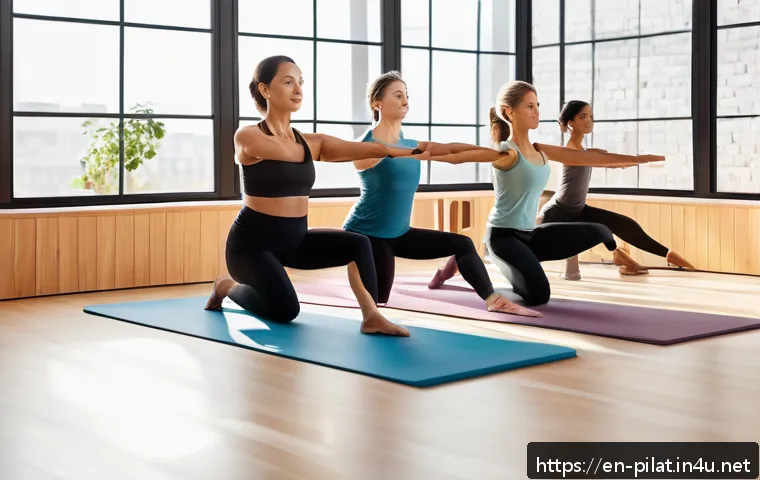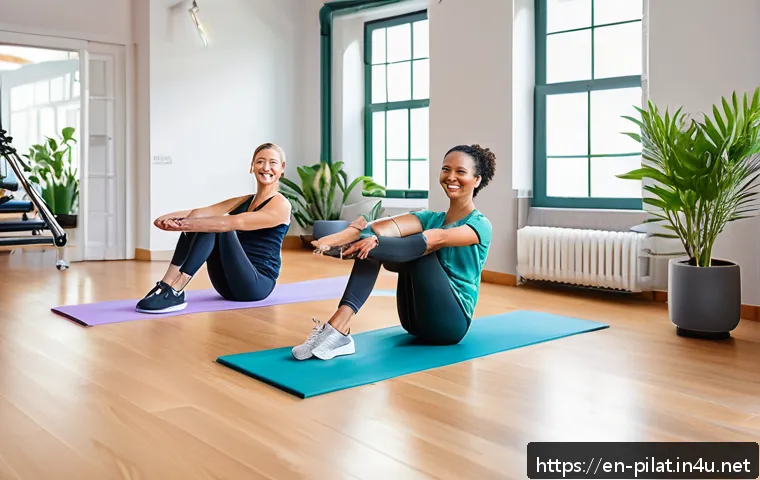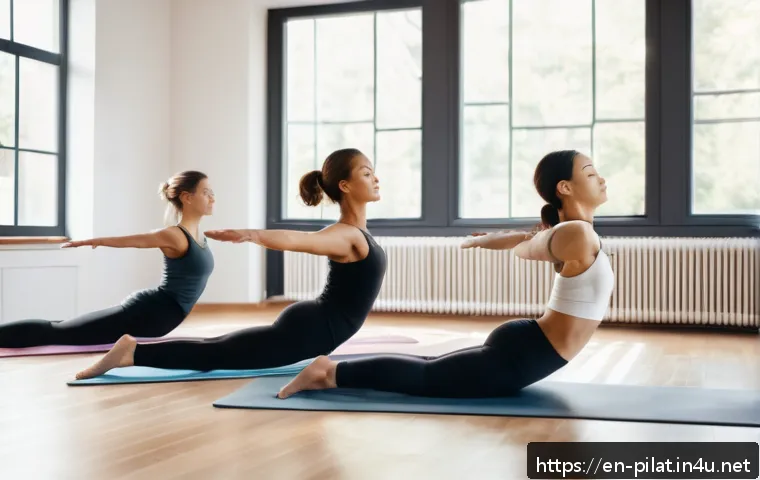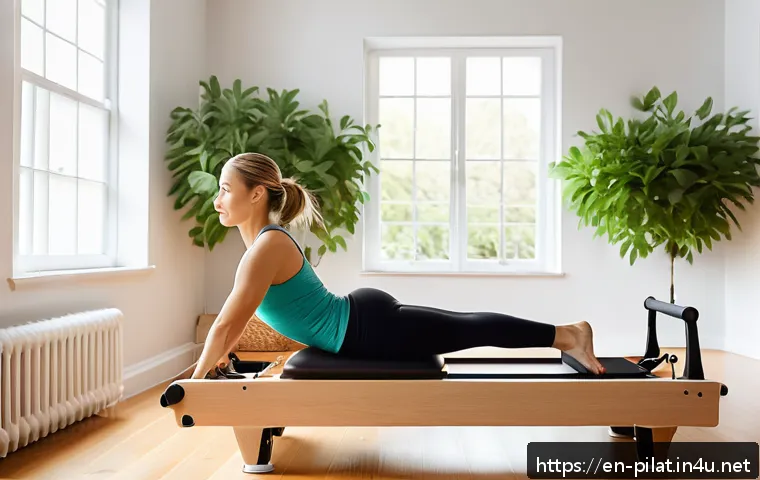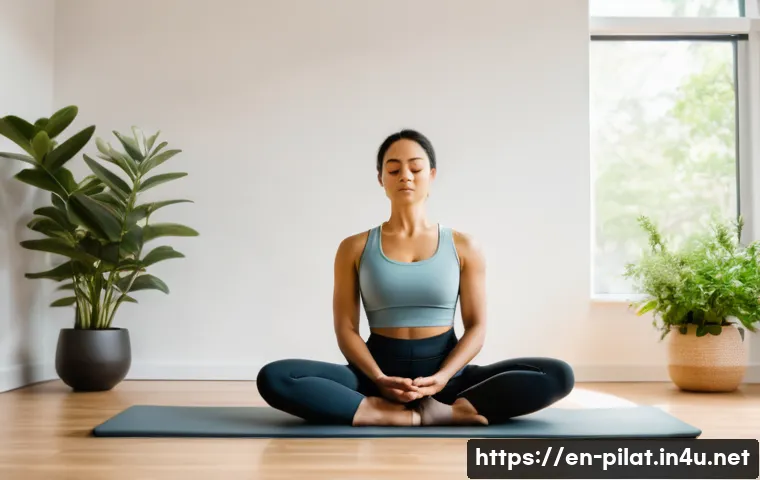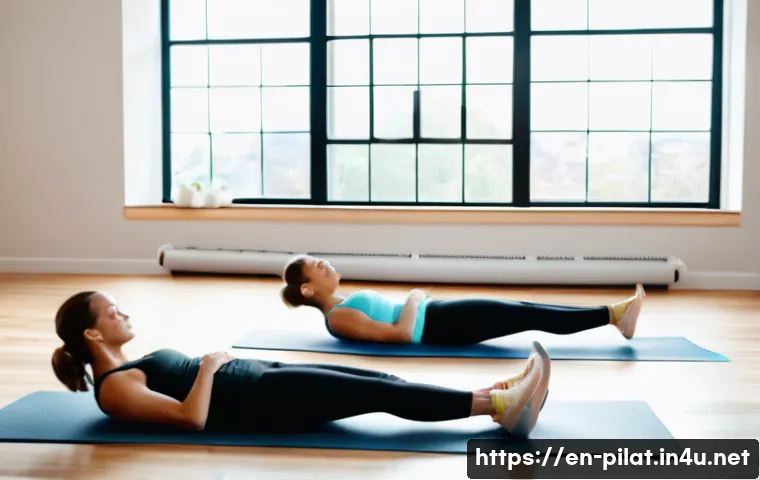
Preparing for your Pilates instructor practical exam can feel like a daunting journey, especially when you want to showcase not only your skills but also your passion for movement and wellness.
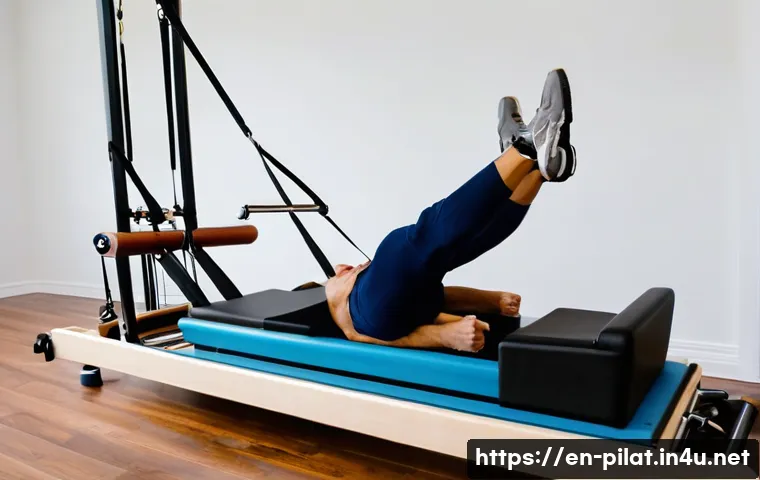
It’s a unique challenge that tests your ability to connect theory with hands-on practice, ensuring you can guide others safely and effectively. From mastering precise body alignments to demonstrating clear communication, every detail counts.
Having been through this process myself, I know how crucial it is to build confidence and refine your techniques well before exam day. Let’s dive deep into the essential tips and strategies that will set you up for success.
Stick with me, and I’ll make sure you get all the clarity you need!
Understanding the Fundamentals of Pilates Techniques
Mastering Core Principles and Alignment
When preparing for your practical exam, grasping the foundational Pilates principles is absolutely essential. You need to fully understand concepts like concentration, control, centering, flow, precision, and breathing, since these underpin every move you’ll demonstrate.
I found that visualizing these principles in every exercise helped me communicate their importance naturally during the exam. For instance, focusing on alignment means more than just showing a pose—it’s about feeling and explaining how the spine, pelvis, and shoulders relate in space.
This deep awareness will boost your confidence and credibility when guiding others.
Refining Movement Quality and Flow
Pilates isn’t about rushing through exercises but executing each with intention and grace. During my exam prep, I paid close attention to how each movement transitioned smoothly into the next.
Flow is what makes Pilates feel like a dance rather than a workout, and examiners look for that fluidity. Practicing slowly at first, then gradually increasing tempo, helped me build muscle memory without sacrificing control.
Remember, it’s not about speed but seamless, controlled movement that respects the body’s natural rhythm.
Incorporating Breath and Mindfulness
Breathing is often overlooked but it’s the secret weapon in Pilates. Coordinating breath with movement enhances muscle engagement and relaxation simultaneously.
I practiced inhaling through the nose and exhaling through the mouth in sync with specific movements, which brought a whole new level of focus and calmness.
This connection between breath and movement also demonstrates to your examiners that you’re teaching Pilates as a mindful practice, not just physical exercise.
Effective Communication and Client Engagement
Using Clear, Concise Language
One of the trickiest parts of the practical exam is explaining exercises clearly and confidently. From my experience, using simple, jargon-free language makes instructions accessible and relatable.
Avoid overloading your cues with technical terms; instead, break down movements into manageable steps. For example, instead of saying “engage your transverse abdominis,” I found saying “draw your belly button gently towards your spine” instantly clicked with clients and examiners alike.
Demonstrating Empathy and Encouragement
Your tone and attitude during the exam can make a huge difference. Examiners are not only assessing your technical skills but also your ability to create a positive, supportive environment.
I made a conscious effort to smile, maintain eye contact, and provide encouraging feedback, which helped me build rapport quickly. Remember, people respond better when they feel seen and supported, so showing genuine care is as important as nailing the exercises.
Adapting to Different Client Needs
Real-life teaching means adapting your approach based on client abilities and limitations. During my prep, I practiced modifying exercises for various scenarios like lower back pain, limited mobility, or pregnancy.
This flexibility shows examiners that you’re prepared to work safely and inclusively. Being ready with alternatives or props like resistance bands and Pilates balls signals professionalism and responsiveness.
Practical Mastery of Equipment and Props
Understanding Equipment Setup and Safety
Pilates equipment like the Reformer, Cadillac, and Wunda Chair can feel intimidating at first, but becoming comfortable with their setup is crucial. I spent time learning how to adjust springs, straps, and handles correctly to ensure client safety and exercise effectiveness.
Knowing how to troubleshoot small issues during the exam also helped me stay calm and focused. This hands-on familiarity gives you an edge because it shows examiners you’re ready for real studio situations.
Integrating Props to Enhance Exercises
Props aren’t just add-ons; they’re tools that deepen the Pilates experience. During my practice, I experimented with props like magic circles, foam rollers, and small balls to add variety and challenge.
Understanding when and how to introduce these props demonstrates your creativity and knowledge of Pilates principles. Props can also assist clients with alignment or strength challenges, so showing this versatility is a definite plus.
Maintaining Client Comfort and Support
Working with equipment requires attention to client comfort and body mechanics. I learned to adjust padding, straps, and positioning carefully to avoid discomfort or strain.
This attention to detail not only prevents injury but also builds trust with clients and examiners. Remember, the goal is to facilitate movement that feels supported and safe, so practicing these small touches is just as important as mastering exercises.
Building Confidence Through Consistent Practice
Creating a Structured Practice Schedule
Consistency was my secret weapon in exam prep. I set up a weekly schedule focusing on different Pilates skills, equipment use, and communication drills.
Breaking down practice into manageable chunks helped me track progress without feeling overwhelmed. Scheduling regular mock exams with friends or mentors gave me valuable feedback and simulated real exam pressure, making the actual day feel less intimidating.
Recording and Reviewing Your Sessions
Filming yourself during practice sessions is a game changer. Watching playback helped me catch subtle errors in alignment, pacing, or cueing that I didn’t notice in the moment.
It also boosted my self-awareness and helped me refine my teaching style. If possible, get feedback from experienced instructors as their perspective can highlight blind spots and suggest improvements.
Managing Exam Day Nerves
Feeling nervous before the practical exam is normal, but managing those jitters is key. I found that deep breathing exercises and visualization techniques calmed my mind and centered my focus.
Arriving early to set up and warming up physically helped me settle in. Remind yourself that examiners want to see your potential, not perfection—this mindset shift eases pressure and lets your true skills shine.
Technical Skills Checklist and Exam Strategy
Prioritizing Core Exercises
Certain Pilates exercises are staples in practical exams because they showcase fundamental skills. I concentrated on perfecting moves like the Hundred, Roll-Up, Plank, and Swan Dive, ensuring I could demonstrate them with clear form and modifications.
Mastery of these core exercises forms the backbone of your practical performance.
Handling Unexpected Scenarios Gracefully
Sometimes, examiners may throw curveballs, like asking for spontaneous modifications or corrections. Practicing adaptability helped me respond confidently without losing composure.
Remember, showing calm problem-solving is as impressive as flawless execution.
Using a Time Management Plan
The exam usually has a strict time limit, so planning how long to spend on each section is critical. I mapped out my routine to include warm-up, main exercises, and cool-down, leaving a buffer for questions or adjustments.
This strategy prevents rushing at the end and demonstrates professionalism.
| Aspect | Preparation Tips | Exam Focus |
|---|---|---|
| Core Principles | Study and internalize concentration, control, flow, and breathing | Demonstrate clear understanding through movement and cues |
| Communication | Practice simple, clear instructions and empathetic feedback | Engage examiner with approachable teaching style |
| Equipment Use | Familiarize with setup, safety, and prop integration | Show competence and adaptability with apparatus |
| Movement Quality | Focus on fluidity, precision, and control in exercises | Exhibit smooth transitions and correct alignment |
| Exam Strategy | Plan timing, rehearse core exercises, manage nerves | Deliver organized, confident, and flexible performance |
Incorporating Feedback and Continuous Improvement
Seeking Constructive Criticism
Getting honest feedback from mentors, peers, or Pilates communities was invaluable during my preparation. Sometimes I discovered habits I wasn’t aware of, and addressing these early made a big difference.
Don’t shy away from critiques; they’re your roadmap to growth.
Reflecting on Personal Strengths and Weaknesses
Self-reflection helped me identify where I excelled and where I needed more work. Keeping a journal of practice sessions allowed me to track improvements and set realistic goals.
This ongoing process creates a mindset geared toward lifelong learning, which is essential in any teaching profession.
Staying Inspired and Motivated
At times, exam prep felt exhausting, but reconnecting with why I chose Pilates—helping others move better and feel empowered—kept me going. Surrounding myself with supportive fellow instructors and continuing to attend workshops reignited my passion.
Staying motivated isn’t just about passing the exam; it’s about embracing a fulfilling career ahead.
Conclusion
Mastering Pilates techniques requires dedication to both the physical practice and effective communication skills. By embracing core principles, refining movements, and connecting with clients mindfully, you build a strong foundation. Consistent practice and openness to feedback will elevate your confidence and teaching ability. Remember, Pilates is as much about passion as it is about precision.
Useful Tips to Remember
1. Always focus on quality over quantity—slow, controlled movements lead to better results and fewer injuries.
2. Use simple, relatable language when instructing to ensure everyone understands and feels comfortable.
3. Familiarize yourself thoroughly with Pilates equipment to handle any situation confidently and safely.
4. Incorporate breath and mindfulness into every session to deepen engagement and enhance performance.
5. Regularly seek feedback and reflect on your practice to continuously grow and improve your teaching skills.
Key Takeaways
Understanding and applying Pilates fundamentals with clarity and empathy is essential for effective teaching. Prioritize fluidity and alignment while adapting to client needs with professionalism. Preparation should balance technical mastery, communication, and time management to perform confidently under pressure. Lastly, viewing exam preparation as a journey of growth fosters both personal and professional development.
Frequently Asked Questions (FAQ) 📖
Q: How can I best prepare my body alignment techniques for the Pilates instructor practical exam?
A: From my experience, nailing body alignment takes consistent practice and a good eye for detail. I found it incredibly helpful to film myself during practice sessions and compare my posture with reference materials or videos from trusted Pilates experts.
Focus on understanding the key alignment points for each exercise—like neutral spine, shoulder placement, and pelvic positioning—and practice cueing these clearly.
Also, working with a mentor or peer for feedback can highlight subtle misalignments you might miss on your own. The goal is to make precise alignments feel natural, so when exam day comes, your corrections will be confident and fluid.
Q: What are some effective ways to improve my communication skills during the practical exam?
A: Clear, concise communication is a game-changer. I learned that speaking too fast or using overly technical jargon can confuse your clients, so I practiced breaking down instructions into simple, relatable language.
Try rehearsing your cues out loud and imagine explaining moves to someone completely new to Pilates. Also, pay attention to your tone—friendly and encouraging beats robotic every time.
During practice, ask friends or classmates for feedback on your clarity and warmth. Remember, your ability to connect verbally builds trust and helps clients feel safe and motivated.
Q: How can I build confidence and manage nerves leading up to the practical exam?
A: Feeling nervous is totally normal, but what helped me was turning preparation into a routine rather than a last-minute scramble. I scheduled regular mock exams with fellow trainees, which made the real test feel less intimidating.
Breathing exercises before practice helped calm my mind, and I reminded myself that perfection isn’t the goal—progress and genuine connection are. Visualizing success and focusing on what I could control, like my preparation and mindset, made a huge difference.
On exam day, I just trusted my training and let my passion for Pilates shine through.