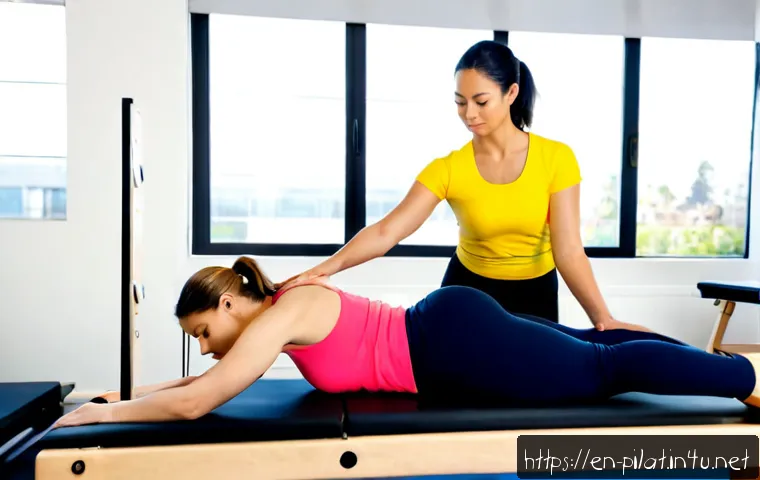
The best Pilates continuing education course is the one your certifying body accepts and that improves the skills you need for your next teaching step.
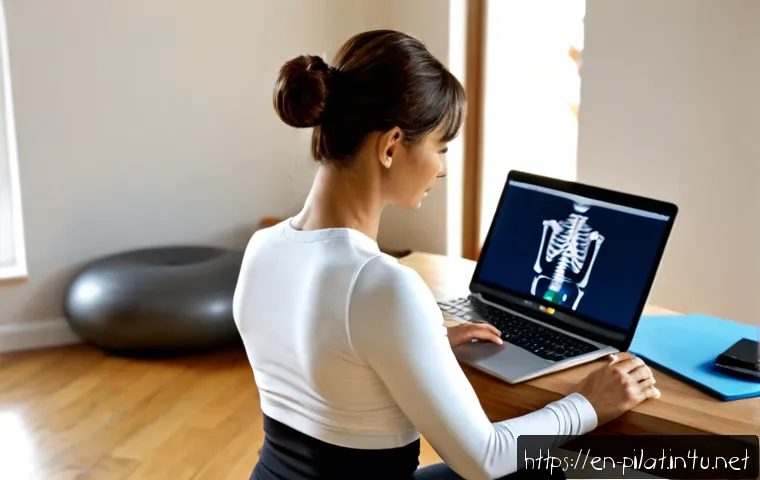
A low-cost online course can work well for theory-based topics and flexible renewal planning, while supervised practical training is usually the better choice for hands-on cueing, equipment work, and detailed feedback.
Before comparing workshop pricing, confirm renewal eligibility, prerequisites, and documentation rules. Then compare the full cost—not only tuition—against the practical value you can use with current or future clients.
This approach helps self-funded instructors choose professional development with a clearer career return.
At a Glance
- Confirm renewal acceptance first: a completion certificate does not automatically mean the course counts toward your certification renewal.
- Match the format to the skill: online learning offers flexibility, while in-person workshops can provide observation, cueing practice, and feedback.
- Compare total cost: tuition may be only one part of the expense once materials, travel, studio fees, and missed teaching time are included.
| Course Format | Possible Added Costs | Feedback Level | Scheduling Flexibility | Best-Fit Teaching Goal |
|---|---|---|---|---|
| Online Pilates CE course | Manuals, assessments, renewal application fees | Varies; may be limited without live sessions | Usually high | Theory refreshers, programming ideas, flexible credential planning |
| In-person workshop | Travel, lodging, studio fees, meals, missed work | Often stronger for hands-on observation and cueing | Lower; fixed dates and locations | Equipment instruction, movement analysis, practical teaching skills |
| Hybrid training | Travel for practical portions, materials, assessments | Can combine self-study with direct feedback | Moderate | Instructors who need flexibility but also want supervised practice |
What Makes a Pilates CE Course Worth Taking?
Start with renewal eligibility and your next teaching goal
A useful Pilates continuing education course should serve two purposes: support your credential maintenance where applicable and improve a skill you can apply in your teaching. Start by reviewing your certifying organization’s current renewal requirements, accepted providers, deadlines, and documentation rules. Requirements and renewal cycles can differ between organizations, so do not rely on a provider’s general statement alone.
Next, define one teaching goal. You may want clearer beginner programming, better reformer instruction, more confident verbal cueing, or education related to older adults. A course with a direct connection to your weekly classes may offer more value than one chosen only for completion hours.
When low-cost online learning is enough—and when it is not
An online Pilates course may be a sensible choice when you need scheduling flexibility, want to study a theory-based topic, or are comparing lower-cost professional development options. It can also be useful when the course includes clear learning objectives, relevant materials, and a completion record your certifying body recognizes.
Paying more for an in-person or hybrid format can be reasonable when the subject depends on hands-on practice. Equipment-based instruction, live cueing, teaching observation, and movement feedback are often easier to evaluate in a supervised setting. The question is not whether one format is always better. It is whether the format gives you the type of learning the topic requires.
Three quick checks before paying for a course
- Ask whether the provider can explain what proof of completion is issued.
- Confirm directly with your certifying body whether the course is accepted for renewal.
- Review prerequisites, assessment requirements, refund terms, and any in-person attendance expectations.
Compare Online, In-Person, and Hybrid Continuing Education
Flexibility, feedback, networking, and practical skill development
Online Pilates continuing education can fit around client sessions and studio schedules. It may be especially practical for instructors who need to complete learning in shorter blocks of time. However, flexibility does not automatically equal practical depth. Check whether the course includes live interaction, video review, instructor feedback, or only self-paced materials.
In-person workshops can offer a different kind of value: direct observation, real-time corrections, peer practice, and discussion with other instructors. These elements may matter when you are refining tactile or verbal cueing, learning new equipment-based instruction, or building confidence in a more technical teaching area.
Hybrid training sits between the two. It may allow you to complete foundational content online and reserve travel for practical assessment or supervised sessions. For many instructors, this is worth comparing when both budget and hands-on learning matter.
How to calculate the real cost beyond tuition
Workshop pricing is only the starting point. To compare courses fairly, list every expected expense beside the tuition amount. Include course materials, manuals, examination fees, renewal application fees, studio fees, travel, lodging, and the income you may miss while attending. These costs can vary widely by course format and location.
A simple cost-per-learning-hour comparison can make options clearer. Divide the estimated full cost by the hours you expect to spend in instruction, assessment, travel, and required preparation. This is not a measure of quality by itself, but it prevents a low advertised price from hiding a more expensive commitment.
When comparing professional development courses, also consider the learning you can use repeatedly. A course that improves how you assess beginner needs, organize a class, or teach a piece of equipment may have broader day-to-day value than a topic you rarely use.
Evaluate Course Quality Before You Enroll
Instructor qualifications and teaching experience
Look for an instructor background that fits the subject. For example, an equipment-focused workshop should clearly explain the instructor’s experience teaching that equipment. A course for a specific client population should state its learning boundaries and intended audience. A polished course page is helpful, but it does not replace relevant teaching experience and transparent course information.
Ask how the instructor teaches the material. Does the course describe demonstrations, observation, practical exercises, or feedback? If your goal is to sharpen teaching skills rather than simply complete continuing education, these details matter.
Learning objectives, prerequisites, and practical assessment
A quality course should make its learning objectives understandable before you enroll. You should be able to identify what you will learn, who the course is designed for, and what prior training is expected. This is particularly important for specialized training, where a foundation in Pilates instruction or certain equipment experience may be assumed.
Check whether practical assessment is required and whether it is included in the listed course fee. An assessment may add useful accountability, but it can also affect your preparation time and total cost. If the course is self-paced, ask whether there is a deadline for finishing modules or submitting required work.
Completion records and certification renewal documentation
Keep your completion certificate, receipts, course outline, attendance record, and assessment results when provided. Your certifying body may have specific documentation rules, and the provider’s certificate alone may not answer every renewal question. Save records in one place rather than trying to locate them close to a renewal deadline.
Before enrolling, compare the provider’s documentation process with your certification renewal requirements. If anything is unclear, ask the provider and verify the answer with the certifying organization.
Choose Training Based on the Clients You Teach
Programming for beginners and general-population clients
For instructors building a client base, education that improves class structure, communication, modifications, and progression can be highly practical. Beginners and general-population clients often benefit from clear instruction and appropriate exercise choices. Look for training that supports better observation and teaching decisions without promising outcomes it cannot guarantee.
Equipment-focused education for studio instructors
If you teach in a studio, equipment-focused continuing education may be a strong career fit. Review whether the course covers the equipment you actually use and whether there is supervised practice. A practical workshop may be more valuable than a purely theoretical option when you need to improve setup, cueing, sequencing, and client management in a live studio environment.

Specialized populations: scope, referral boundaries, and safety considerations
Courses may focus on prenatal clients, older adults, post-rehabilitation programming, or other specialized needs. These topics can help instructors communicate and program more thoughtfully, but course completion does not automatically establish what an instructor may do in every local setting. Be clear about scope, referral boundaries, and safety considerations.
If a client has medical or post-rehabilitation needs, do not assume a specialized Pilates certificate alone qualifies you to provide medical guidance. Check local requirements where relevant and work within the boundaries of your training and professional role.
Avoid Common Continuing Education Mistakes
Assuming every certificate is accepted for renewal
A frequent mistake is treating any completion certificate as renewal-approved. Providers may issue certificates, but your certifying body determines what it accepts. Confirm acceptance before payment, especially if you are taking the course primarily for credential maintenance.
Choosing hours over applicable teaching skills
Hours matter if you have a renewal requirement, but choosing a course only because it fills hours can lead to weak value. Consider whether the topic addresses a real teaching gap, supports the clients you want to serve, or helps you use your current studio equipment more effectively.
Ignoring cancellation policies, travel costs, and course prerequisites
Read cancellation and refund terms before booking travel or lodging. Check whether you need prior equipment experience, a current certification, manuals, examinations, or attendance at live sessions. These details can affect both affordability and whether you can complete the course successfully.
Selection Criteria and Comparison Summary
A five-point course selection checklist
Use these five questions at the decision stage:
- Renewal acceptance: Does your certifying body accept this course?
- Teaching relevance: Will you use the skill with your current or intended clients?
- Learning format: Do you need flexible online study, hands-on feedback, or both?
- Total cost: Have you included tuition, materials, travel, assessments, and missed work?
- Documentation: Will you receive records that meet your renewal and personal filing needs?
Best value by budget, schedule, and career stage
For a tight budget or limited schedule, a well-documented online Pilates CE course may be a practical option for theory-based learning. For newer instructors, training that strengthens foundational teaching, client communication, and programming may be more useful than highly narrow specialization. Studio instructors may place more value on equipment-specific practice, while instructors expanding toward specialized populations should prioritize clear scope information and practical safety boundaries.
Questions to ask a provider before enrollment
Ask what is included in the advertised course price, whether assessments are required, how completion records are delivered, and whether there are prerequisites. Ask how much direct feedback is available and whether the training is online, live, in person, or mixed. Compare total cost, confirm renewal acceptance, and check practical assessment requirements before making payment. For official details and current conditions, review the provider’s course page and your certifying organization’s renewal guidance.
Final Thoughts
Choosing Pilates continuing education is easier when you begin with your certification rules and one clear teaching goal. The cheapest course may be enough for flexible, theory-based learning, while practical skills often justify a format with supervision and feedback. Keep your comparison focused on acceptance, relevance, learning quality, and full cost. That creates a more useful professional development plan than choosing by course title alone.
Useful Things to Know
1. Save all completion records as soon as a course ends.
2. Compare the full expense of a workshop, not just the listed tuition.
3. A hybrid course may balance flexible study with practical feedback.
4. Specialized education can be valuable, but it does not replace local scope or referral requirements.
5. Course availability, pricing, and instructor details can change, so verify them before enrolling.
Important Notes
Continuing education acceptance, renewal deadlines, credit requirements, fees, and documentation standards vary by certifying organization. A provider-issued certificate may not be accepted for every renewal pathway. Course completion also does not determine whether an instructor is qualified to provide medical or post-rehabilitation services in a particular jurisdiction. Confirm current requirements with the relevant certifying body and review provider policies before payment.
Frequently Asked Questions
Q1. How do I know whether a Pilates continuing education course counts toward my certification renewal?
A1. Check the current renewal rules from your certifying organization and confirm whether the specific provider or course is accepted. Also ask what completion documentation the provider issues and keep those records after finishing the course.
Q2. Are online Pilates CE courses worth it compared with in-person workshops?
A2. They can be worthwhile when flexibility and theory-based learning are your priorities. In-person workshops may offer more value when you need live observation, cueing practice, equipment instruction, or direct feedback. The best option depends on the skill you want to improve.
Q3. What should I compare besides the advertised course price?
A3. Compare materials, assessments, manuals, travel, lodging, studio fees, renewal application fees, and possible missed teaching time. Also compare the amount of practical feedback, the course prerequisites, and the documentation you will receive.
Q4. Which continuing education topics are most useful for a Pilates instructor building a client base?
A4. Topics that improve beginner programming, client communication, cueing, modifications, class organization, and the equipment you regularly teach can be broadly useful. Choose a topic that fits the clients you teach now or the client group you realistically plan to serve next.