Hey there, amazing fitness enthusiasts and aspiring movement gurus! It’s your favorite English blogger here, diving deep into a topic that’s been buzzing like crazy in the wellness world.
Seriously, have you noticed how Pilates has absolutely exploded lately? From TikTok trends to packed reformer studios, it feels like everyone’s catching on to the incredible benefits of this mind-body practice.
And let me tell you, it’s not just a fleeting fad; the demand for skilled instructors is higher than ever, creating fantastic opportunities for those of us passionate about making a real difference.
I’ve personally seen so many of you eager to turn your love for Pilates into a fulfilling career, and trust me, there’s never been a better time to step into this growing industry.
We’re talking about a market that’s projected to hit over $63 million by 2030, with studios clamoring for talented individuals who can guide others through this transformative journey.
So, if you’ve been dreaming of teaching Pilates, whether it’s in a swanky boutique studio, a bustling gym, or even reaching students globally through online platforms, getting the right international certification is your golden ticket.
It’s about more than just a piece of paper; it’s about building credibility, expanding your expertise, and opening doors to a world of possibilities. Have you ever found yourself completely energized after a Pilates session, thinking, “I wish I could help others feel this incredible”?
That spark, that desire to share the magic of movement and transformation, is exactly what sets amazing instructors apart. In today’s dynamic fitness landscape, an international Pilates instructor certification isn’t just an asset—it’s practically a superpower.
It tells the world you’ve got the expertise, the experience, and the trustworthiness to guide clients safely and effectively, no matter where your passion takes you.
It’s truly a game-changer for anyone looking to build a thriving career in wellness, especially with how much the industry is evolving to embrace online learning and global teaching.
I’m so excited to share what I’ve learned about navigating this exciting path. Let’s get the facts straight and ensure you’re fully equipped to take on this rewarding journey!
Making Your Passion Your Paycheck: Why Certification Matters
Honestly, when I first started my Pilates journey, I never truly imagined I’d be helping others find their strength and peace through movement. It felt like a personal escape, a quiet ritual just for me. But as I deepened my practice, I couldn’t shake the feeling that I wanted to share this magic. That’s when the idea of becoming an instructor really took root. Now, I’ve heard some folks wonder if a certification is *really* necessary. My take? Absolutely, especially if you’re dreaming big and want to teach internationally. Think about it: an international certification isn’t just a fancy piece of paper; it’s your passport to global opportunities and a mark of true professionalism. It signals to potential clients and studios alike that you’ve put in the work, you understand the foundational principles, and you’re committed to upholding the high standards of the Pilates method. I’ve personally seen how doors swing open once you have that credible credential. It’s not just about knowing the exercises; it’s about knowing *how* to teach them safely and effectively to a diverse group of people, which is where a solid certification truly shines. It gives you the confidence to step into any studio, anywhere in the world, and know you’re equipped to make a real impact.
Global Credentials, Local Impact: Opening Doors Worldwide
My own journey really highlighted this. After getting certified, I had the incredible opportunity to teach a workshop in London, something I honestly don’t think would have happened without my internationally recognized qualifications. It was such an exhilarating experience, meeting fellow Pilates enthusiasts from different cultures and sharing my knowledge. Having a certification that transcends national borders means you’re not confined to one location. Imagine working at a beautiful retreat in Bali, teaching on a cruise ship, or even building a thriving online studio that reaches students from New York to New Zealand! The possibilities are genuinely endless. It shows you’re not just skilled, but that your skills meet a global standard of excellence, which is incredibly reassuring for both you and your future clients. This global recognition also means you’re often more prepared for diverse client needs, as comprehensive programs typically cover a wider range of populations and modifications.
The Trust Factor: Earning Client Confidence
Let’s be real, when you’re looking for someone to guide you through a physical practice, trust is paramount. Clients want to know they’re in safe, knowledgeable hands. An international certification immediately builds that trust. It tells them you’ve undergone rigorous training, understand anatomy, and can adapt exercises for various body types and conditions. I remember one of my first clients, Sarah, who was recovering from a knee injury. She specifically sought me out because my certification included specialized training in rehabilitation. That immediately put her at ease, knowing I had the expertise to modify her movements safely. This isn’t just about technical skill; it’s about the confidence and peace of mind you instil in your clients. When you walk into a room, your certification quietly speaks volumes about your dedication, your expertise, and your commitment to their well-being. It’s the foundation upon which you build a respected and successful career.
Decoding the Certification Jargon: What to Look For
Navigating the world of Pilates certifications can feel a bit like trying to solve a puzzle when you first start looking. There are so many acronyms, different schools of thought, and varying program lengths, it’s enough to make your head spin! But don’t you worry, I’ve been there, and I’ve learned a few things that I wish someone had told me from the start. The most important thing is to do your homework and understand what each program offers. Some certifications are rooted deeply in the classical method, following Joseph Pilates’ original teachings to the letter, which can be incredibly powerful. Others embrace a more contemporary approach, integrating modern exercise science and physical therapy principles, which I personally find fascinating. There’s no single “best” path; it truly depends on what resonates with you and the kind of instructor you aspire to be. I spent countless hours poring over syllabi and talking to instructors from different backgrounds, and that research was invaluable in making an informed decision that felt right for me.
Mat vs. Reformer: Your First Big Choice
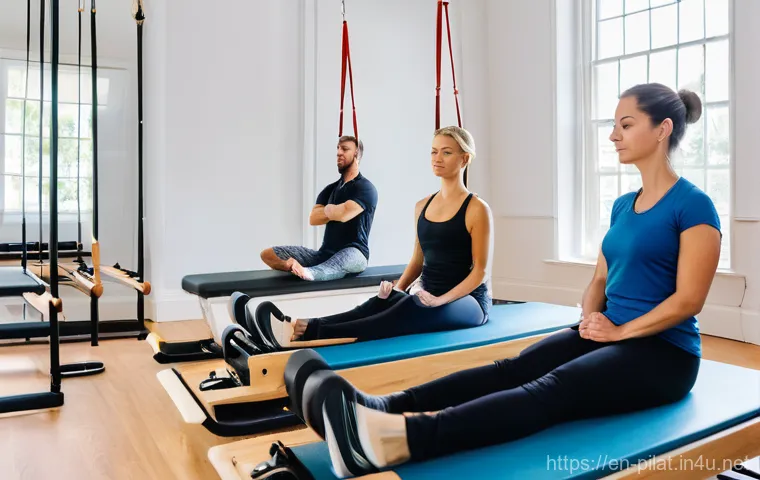
One of the initial decisions you’ll face is whether to pursue Mat certification, Reformer certification, or a comprehensive program that covers all apparatus. Mat Pilates is fantastic for its accessibility; you can literally teach it anywhere with just a mat! It’s a brilliant starting point and really solidifies your understanding of the core principles without the added complexity of springs and straps. However, the Reformer, with its springs and moving carriage, offers incredible versatility for both challenging and supporting clients. Most studios, especially boutique ones, primarily offer Reformer classes. I initially started with Mat but quickly realized I wanted to expand my skill set to include the Reformer because I saw the incredible benefits it offered to a wider range of clients. My advice? Consider what kind of teaching environment excites you most. If you dream of working in fully equipped studios, a comprehensive certification that includes the Reformer and other apparatus (like the Cadillac, Chair, and Barrels) will be essential for your career growth and marketability.
Accreditation and Recognition: Navigating the Alphabet Soup
This is where things can get a little technical, but it’s crucial, trust me. When you’re looking at different programs, pay close attention to their accreditation and international recognition. You’ll often see references to organizations like the NPCP (National Pilates Certification Program, formerly PMA-CPT), which offers a third-party certification exam that many reputable programs prepare you for. Some major training organizations like STOTT PILATES, BASI Pilates, or Balanced Body have their own extensive certification systems that are widely respected globally. What you want to ensure is that the certification you choose is not only robust in its curriculum but also recognized by studios and fitness organizations both locally and internationally. I remember almost signing up for a program that seemed great on the surface but later found out it had very limited recognition outside its specific region. Dodged a bullet there! Always check if the certification is recognized by global industry standards, as this will significantly impact where you can teach and how seriously your credentials are taken. This table might give you a clearer picture of some popular international options:
| Certification Body/Exam | Program Focus | Typical Duration | Estimated Cost (USD) |
|---|---|---|---|
| NPCP (formerly PMA-CPT) | Third-party comprehensive exam for all apparatus. Requires prior training. | Exam: 1 sitting. Prep time: varies by training program (450+ hours). | Exam Fee: $295-395. Training Programs: $3,000 – $10,000+ |
| STOTT PILATES® | Contemporary, anatomically-based, wide range of levels and specialties. | Modular, 300-500+ hours per level (Mat, Reformer, Comprehensive). | Per Level: $2,000 – $6,000+. Full Comp: $8,000 – $15,000+ |
| BASI Pilates® | Blends classical & contemporary, emphasizes academic approach and flow. | Comprehensive Global Program: 500+ hours (intensive or modular). | Comprehensive: $5,000 – $9,000+ |
| Balanced Body® | Modular, equipment-focused, allows for tailored learning paths. | Flexible, varies by modules (e.g., Mat, Reformer, Apparatus). | Per Module: $500 – $2,000. Full Comp: $5,000 – $10,000+ |
Program Length and Learning Styles: Finding Your Fit
Certification programs aren’t a one-size-fits-all deal when it comes to time commitment and learning style. Some programs are intensive, allowing you to complete your training in a matter of months with full-time dedication. Others are more flexible, structured in modules that you can take at your own pace, which is perfect if you’re balancing work or family commitments. I opted for a modular program, and while it took me longer, it allowed me to truly absorb the material and practice teaching without feeling rushed. I also had the chance to integrate what I was learning into my personal practice, which made the concepts stick so much better. Think about your current life situation: do you thrive in an intense, immersive environment, or do you need more time for self-study and practice teaching? Also, consider if the program offers in-person instruction, online components, or a hybrid model. My personal learning style leans towards hands-on experience, so finding a program with extensive practical hours was really important to me. Don’t compromise on this, because how you learn best will significantly impact your success and enjoyment throughout the certification process.
My Personal Journey: From Enthusiast to Educator
If you told me five years ago that I’d be writing a blog post about international Pilates certification, I probably would have laughed. I was just a regular gym-goer, occasionally dabbling in group fitness, completely unaware of the profound impact Pilates would have on my life. My journey really started because of persistent back pain. Traditional workouts just weren’t cutting it, and a friend suggested Pilates. Skeptical but desperate, I tried it, and honestly, it felt like magic. My posture improved, my pain subsided, and I felt stronger and more aligned than ever before. That initial spark ignited a fire within me, a deep desire to understand *why* and *how* this method worked so incredibly well. It wasn’t an overnight decision to become an instructor, but a gradual realization that this was something I was truly passionate about. I started by just observing classes, then reading everything I could get my hands on, and eventually, I enrolled in a comprehensive program. It was challenging, exhilarating, and at times, a little overwhelming, but every single moment was worth it. It’s an ongoing journey of learning, and honestly, that’s one of the things I love most about it.
Overcoming the Nerves: My First Teaching Experience
Oh boy, my very first time teaching a full class was a mix of pure adrenaline and absolute terror! I had practiced my routine a hundred times, memorized every cue, and felt pretty confident in my knowledge. But standing there, in front of a room full of eager faces, was a whole different ballgame. My voice cracked a little at first, and I remember my hands trembling ever so slightly as I demonstrated an exercise. But then, something shifted. As I started to connect with the students, seeing their expressions of concentration and effort, I found my rhythm. The knowledge I had absorbed during my certification training kicked in, and I realized I *did* know what I was doing. By the end of the class, I was buzzing with an energy I hadn’t felt before. It wasn’t just about teaching exercises; it was about guiding people, creating a safe space, and witnessing their progress firsthand. That initial nervousness quickly transformed into a deep sense of accomplishment and genuine joy. It taught me that it’s okay to be nervous, but having a solid foundation from a good certification gives you the confidence to push through it.
The Unexpected Joys of Continued Learning
One of the most delightful surprises in my Pilates journey has been the endless opportunities for continued learning. I honestly thought once I got my certification, I was “done.” Boy, was I wrong! The Pilates world is constantly evolving, with new research in anatomy, biomechanics, and exercise science shaping how we teach. I’ve taken workshops on everything from pre/postnatal Pilates to working with clients with scoliosis, and each one has deepened my understanding and enriched my teaching. It’s not just about staying current; it’s about staying inspired and keeping your passion alive. I recently attended an advanced Reformer workshop that completely transformed how I approach certain exercises, and my clients noticed the difference immediately. They love that I’m always bringing fresh perspectives and new challenges to our sessions. This commitment to ongoing education isn’t just beneficial for your clients; it keeps you engaged, prevents burnout, and ensures you’re always growing as an instructor. It truly is a lifelong journey of discovery.
Beyond the Basics: Specializing in Pilates Instruction
Once you’ve got your foundational certification under your belt, you might start thinking, “What’s next?” This is where the real fun begins, in my opinion! The beauty of Pilates is its incredible adaptability, making it suitable for such a diverse range of individuals and specific needs. Specializing allows you to carve out a unique niche for yourself, attract a specific clientele, and really deepen your expertise in areas you’re passionate about. For me, exploring specializations felt like opening up new chapters in a fascinating book. It wasn’t just about adding more tools to my belt; it was about understanding the human body and its unique challenges on a much more profound level. This pursuit of specialized knowledge has not only made me a more versatile instructor but also opened up fantastic opportunities for collaboration with other health professionals, which has been incredibly rewarding. It shows clients that you’re not just a generalist, but someone who truly understands their specific circumstances.
Pre/Postnatal and Rehabilitation: Niche Markets to Explore
Two areas that have seen massive growth and demand are pre/postnatal Pilates and rehabilitation-focused instruction. Teaching Pilates to expecting and new mothers requires a nuanced understanding of their changing bodies, hormonal shifts, and specific safety considerations. It’s incredibly fulfilling to help women maintain strength and comfort during pregnancy, and then aid their recovery postpartum. I’ve heard countless stories from my clients about how Pilates made a world of difference for them during this life stage. Similarly, working in rehabilitation, often alongside physical therapists or chiropractors, allows you to help clients recover from injuries, manage chronic pain, or improve mobility post-surgery. This requires advanced knowledge of anatomy, common pathologies, and careful modification strategies. My advice? If you have a passion for helping specific populations, pursuing these specializations can be incredibly rewarding, both personally and professionally. These are areas where clients are often actively seeking experts, so it’s a fantastic way to build a loyal and appreciative client base.
Advanced Apparatus Training: Taking Your Skills to the Next Level
While the Mat and Reformer are fantastic, the world of Pilates apparatus extends much further! Diving into the Cadillac (or Trapeze Table), the Wunda Chair, or the Barrels can unlock an entirely new dimension of exercises and modifications. Advanced apparatus training allows you to challenge your clients in innovative ways, offering resistance, support, and movement patterns that aren’t possible with just a mat or reformer. I remember the first time I really understood the power of the Wunda Chair for strengthening the core and stabilizing the hips; it was a game-changer for some of my athletes. These specialized pieces of equipment open up possibilities for targeting very specific muscle groups, improving balance, and adding a creative flair to your sessions. If you’re looking to elevate your teaching, keep your clients engaged with fresh material, and position yourself as a highly skilled and versatile instructor, exploring advanced apparatus is a definite must. Plus, being proficient on all pieces of equipment makes you an incredibly valuable asset to any fully-equipped studio!
Show Me the Money: Financial Realities and Rewards
Let’s talk brass tacks, because while passion fuels us, we also need to make a living, right? Becoming a Pilates instructor isn’t just about the joy of teaching; it’s about building a sustainable and rewarding career. The financial aspects are something I’ve learned a lot about through trial and error, and understanding them early on can save you a lot of headaches. Instructor income can vary widely based on your location, experience, certification level, and whether you work for a studio, rent space, or operate your own business. But let me tell you, with the right approach, it can be incredibly lucrative. I’ve found that thinking strategically about my services and my worth has been a game-changer. It’s not just about how many classes you teach, but *how* you teach them and the value you bring to each client. Many instructors start by working for established studios to gain experience, which is fantastic, but don’t be afraid to think bigger once you’ve found your footing.
Pricing Your Services: What’s Your Worth?
Pricing is often one of the trickiest parts for new instructors. How much should you charge for a private session? What about a small group class? It’s tempting to underprice yourself, especially when you’re starting out, but resist that urge! Your certification, your expertise, and your dedication are valuable. Research what other certified instructors in your area with similar experience are charging. Factor in your costs: studio rental, insurance, continuing education, and even the time you spend planning sessions. I learned this the hard way. Initially, I was charging too little, and frankly, I felt burnt out. Once I adjusted my prices to reflect my value and expertise, not only did my income improve, but my clients also seemed to take my services more seriously. It’s about finding that sweet spot where you feel fairly compensated for your effort and knowledge, and your clients feel they are receiving excellent value. Don’t forget to offer different packages or introductory offers to attract new clients while maintaining your core pricing.
Building Multiple Income Streams: Beyond the Studio Walls
One of the most exciting aspects of being a Pilates instructor today is the sheer number of ways you can generate income beyond simply teaching classes in a studio. The internet has truly opened up a world of possibilities! Beyond teaching in-person group and private sessions, consider developing online programs, creating subscription-based content, or even hosting workshops and retreats. I’ve personally experimented with offering virtual private sessions, and it’s been incredible to connect with clients from different states and even countries. This diversification not only provides a financial safety net but also allows you to scale your business without being limited by physical space or time. You could write an e-book on specific Pilates sequences, offer corporate wellness programs, or partner with local businesses. Think creatively about how you can leverage your expertise and certification to create multiple revenue streams. This is where you can truly build a resilient and thriving career that supports your lifestyle and financial goals, making the most of that valuable international certification.
Marketing Yourself as a Pilates Pro: Getting Noticed
So, you’ve got your amazing international certification, you’ve honed your teaching skills, and you’re ready to share your passion with the world. Now comes the crucial step: letting people know you exist and why they should choose *you*! Marketing might sound intimidating, but think of it as sharing your story and connecting with those who need your help. It’s not about being pushy; it’s about being authentic and visible. In today’s crowded wellness space, simply being a great instructor isn’t always enough. You need to present yourself effectively, both online and offline, to stand out and attract the clients who are the perfect fit for your teaching style. I’ve experimented with various strategies over the years, and the most effective ones always came back to genuine connection and clearly communicating my unique value. It’s about building a brand that truly reflects who you are and what you offer.
Crafting Your Unique Brand Story
What makes you, *you*? Every instructor has a unique story, a particular teaching style, or a specific passion that sets them apart. This is your brand story, and it’s incredibly powerful. Did you discover Pilates through injury recovery? Do you specialize in working with athletes, or perhaps seniors? What’s your teaching philosophy? I realized early on that my background in movement science and my personal experience with chronic pain shaped my approach to teaching, making me empathetic and meticulous. Articulating this clearly on my website, social media, and even in casual conversations has helped me attract clients who specifically value that approach. Don’t be afraid to let your personality shine through! People connect with people, not just certifications. Your brand is more than just a logo; it’s the feeling clients get when they interact with you, the unique value you provide, and the consistent message you communicate. Spend some time reflecting on what truly makes you different and then confidently share that story with the world.
Leveraging Social Media to Attract Clients
In this digital age, social media is an absolute powerhouse for marketing your Pilates business. It’s not just for sharing selfies anymore! Platforms like Instagram, TikTok, and even YouTube are incredible tools for showcasing your expertise, sharing helpful tips, and giving potential clients a glimpse into your teaching style. I’ve found that posting short, engaging videos demonstrating exercises, explaining Pilates principles, or even just sharing snippets of my daily life as an instructor helps build a connection with my audience. It allows them to get to know me before they even step into a class or book a private session. Remember to be consistent, provide genuine value, and interact with your followers. Ask questions, respond to comments, and create a community around your content. Don’t feel pressured to be perfect; authenticity trumps polished perfection every time. A well-curated social media presence, filled with useful and inspiring content, can significantly increase your visibility and attract a steady stream of new clients who are already warmed up to your unique brand.
The Future is Bright: Evolving with the Pilates Industry
The fitness industry is constantly on the move, and Pilates is no exception. What started as an innovative method developed by Joseph Pilates is now a global phenomenon, continually adapting to new technologies, research, and client needs. As a Pilates instructor, staying curious and embracing change isn’t just about professional development; it’s about ensuring your career remains vibrant and relevant for years to come. I’ve personally witnessed how much the industry has transformed, especially with the accelerated shift towards digital platforms. What seemed like a niche offering a few years ago is now a mainstream part of how we connect with clients. This evolution isn’t something to fear; it’s an exciting opportunity to expand your reach, refine your skills, and keep your passion for teaching burning bright. Being an international certified instructor positions you perfectly to ride these waves of change and truly thrive.
Online Teaching: Reaching a Global Audience from Home
The explosion of online fitness has been nothing short of revolutionary, and it’s particularly well-suited for Pilates instructors. Think about it: with just a camera, a good internet connection, and your expertise, you can teach clients anywhere in the world, right from the comfort of your home studio! This has been a massive game-changer for many instructors, including myself. It removes geographical limitations, allowing you to build a diverse client base that might not otherwise have access to your specific teaching style. I’ve had the joy of teaching students in different time zones, connecting with people who wouldn’t have found me through traditional studio settings. Online platforms also offer incredible flexibility for both instructors and clients, making high-quality Pilates instruction more accessible than ever before. If you haven’t already, seriously consider incorporating online classes or private sessions into your offerings. It’s an invaluable way to leverage your international certification and expand your reach far beyond your local community.
Continuous Growth: Staying Ahead in a Dynamic Field
The journey of a Pilates instructor is, by its very nature, one of continuous growth. The human body is endlessly fascinating, and there’s always something new to learn, a new technique to explore, or a fresh perspective to consider. Staying current with industry trends, attending workshops, and regularly updating your knowledge base are essential for maintaining your edge and keeping your teaching fresh and engaging. It’s not just about earning those continuing education credits; it’s about feeding your own intellectual curiosity and ensuring you’re providing the absolute best for your clients. Whether it’s delving into fascial fitness, exploring new functional movement patterns, or incorporating mindfulness techniques, the opportunities for growth are limitless. I make it a point to dedicate time each year to learning something new, and my clients always appreciate the fresh insights I bring to their sessions. This commitment to ongoing education is what transforms a good instructor into an exceptional one, ensuring you remain an authoritative and trustworthy figure in the ever-evolving world of Pilates.
Closing Thoughts
And there you have it, my friends! We’ve journeyed through the ins and outs of international Pilates certification, from the fundamental reasons why it’s a game-changer for your career to the nitty-gritty of choosing the right program and even exploring the exciting world of specialization. Looking back on my own path, I truly believe that investing in a quality, globally recognized certification was the single best decision I made. It wasn’t just about gaining knowledge; it was about building confidence, opening doors to incredible opportunities, and solidifying my passion into a respected profession. This journey is as much about personal growth as it is about professional development, and the ripple effect it has on your clients’ lives, and your own, is truly immeasurable. Keep learning, keep growing, and keep sharing the incredible power of Pilates!
Useful Information to Know
1. Networking is Your Superpower: Don’t underestimate the power of connecting with other instructors, studio owners, and even clients. Attend workshops, join online communities, and participate in local fitness events. I’ve found that some of my most rewarding opportunities and collaborations came from simply striking up conversations and building genuine relationships. You never know who might inspire your next big idea or offer you an incredible teaching gig!
2. Mentorship is Invaluable: As you navigate your career, seek out experienced instructors whose teaching style and professional ethics you admire. A good mentor can provide guidance, constructive feedback, and a much-needed sounding board. I was fortunate to have a few incredible mentors early on who helped me refine my cues, understand complex anatomy, and even navigate tricky client situations. Their wisdom truly accelerated my growth and confidence.
3. Financial Planning Matters: While your passion is priceless, understanding the business side of being an instructor is crucial for a sustainable career. Consider how you’ll manage income fluctuations, potential studio rental fees, and the cost of continuing education. Setting clear pricing, creating different service packages, and exploring multiple income streams like online classes or workshops will build a more resilient and rewarding profession.
4. Continuous Learning Keeps You Fresh: The Pilates method is ancient, but our understanding of the human body and exercise science is constantly evolving. Make a commitment to ongoing education, whether it’s specialized workshops, advanced apparatus training, or simply diving into new anatomy texts. This keeps your teaching fresh, prevents burnout, and ensures you’re always bringing the latest and safest techniques to your clients.
5. Define Your Niche Early On: While it’s tempting to try and be everything to everyone, specializing in a particular area (like pre/postnatal, rehabilitation, or athletic conditioning) can significantly boost your career. It allows you to become a true expert in that field, attract a highly targeted clientele, and collaborate with other health professionals. This focus can make your marketing efforts more effective and your teaching even more impactful.
Key Takeaways
Earning an international Pilates certification is more than just a credential; it’s a passport to global teaching opportunities and a significant mark of professionalism that builds immense trust with clients worldwide. Navigating the certification landscape requires careful consideration of program type, accreditation, and how it aligns with your career aspirations, ensuring you invest wisely in your future. Beyond initial training, continuous learning, strategic specialization, and effective self-marketing are essential for building a thriving, resilient, and financially rewarding career as a Pilates instructor. Ultimately, this journey is about transforming your passion into a impactful and sustainable profession, constantly growing as an educator and making a profound difference in people’s lives.
Frequently Asked Questions (FAQ) 📖
Q: Why is getting an international Pilates certification such a game-changer for my career, especially now?
A: Oh, this is a question I get all the time, and for good reason! I’ve personally seen how much an international certification can truly catapult your career.
Think about it: in today’s interconnected world, an international certification isn’t just a fancy piece of paper; it’s your passport to a global career.
It immediately tells potential employers and clients, anywhere on the planet, that you’ve met a universally recognized standard of excellence. This means you’re not limited to teaching in your local town; you could be instructing a class in London one year, leading an online session for clients in Tokyo the next, or even joining a luxury retreat in Bali.
From my experience, it drastically expands your opportunities, giving you access to a much wider array of studios, online platforms, and diverse client bases that are actively seeking highly qualified instructors.
Plus, with the fitness industry booming globally, especially online, having that international credential gives you a huge competitive edge and a level of credibility that local certifications often can’t match.
It truly opens doors to richer experiences and a more expansive, fulfilling career path, allowing you to share your passion for Pilates far and wide.
Q: What’s the typical journey like to get internationally certified, and how long does it really take to become a fully qualified instructor?
A: That’s a fantastic question, and it’s totally natural to wonder about the path ahead! From what I’ve gathered and seen with countless aspiring instructors, the journey to international certification is a comprehensive and incredibly rewarding one.
Typically, it starts with foundational courses covering anatomy, Pilates principles, and mat exercises. Once you’ve got those basics down, you’ll usually move into specialized training for various apparatus like the reformer, cadillac, and chair.
Most reputable programs will require a significant number of observation hours, practice teaching hours, and personal practice hours—because really, there’s no substitute for hands-on experience!
After completing your coursework and practical hours, you’ll sit for a rigorous examination, which usually includes both written and practical components.
As for how long it takes? Well, that can definitely vary depending on whether you pursue it full-time or part-time, but you’re generally looking at anywhere from 6 months to 2 years to become fully certified across different apparatus.
It’s a serious commitment, for sure, but every hour you invest comes back to you tenfold in confidence, expertise, and the ability to truly transform lives.
Trust me, the learning never really stops, but that initial certification process sets an incredibly strong foundation.
Q: After I get my international certification, what kind of opportunities can I expect, and what’s the earning potential really like in the Pilates industry?
A: Oh, this is where the excitement really kicks in! Once you’ve got that shiny international certification in hand, a whole world of opportunities truly opens up.
I’ve seen my fellow instructors thrive in so many different ways. You could be teaching at high-end boutique studios, bustling gyms, or even exclusive wellness resorts around the globe.
Many certified instructors, myself included, discover the incredible flexibility and earning potential of working with private clients, either in-home or through dedicated home studios.
And let’s not forget the explosive growth of online coaching! With an international certification, you can easily build a global clientele from the comfort of your own space.
You might also find yourself leading workshops, developing specialized programs, or even becoming a mentor to new instructors. When it comes to earning potential, it really does vary based on your location, experience, and how you choose to structure your business (whether you’re an employee, independent contractor, or running your own studio).
However, what I can tell you is that a solid international certification often allows you to command higher rates than those with less comprehensive training.
Many instructors I know earn a really comfortable living, with top-tier professionals earning six figures, especially those who specialize or build strong personal brands.
The demand is strong and growing, so your earning potential is truly limited only by your ambition and dedication!